CHEESE & WINE EXPERIENCES, WINE FLIGHTS AND WINES BY THE GLASS IN WEST DIDSBURY 

CHEESE & WINE EXPERIENCES, WINE FLIGHTS AND WINES BY THE GLASS IN WEST DIDSBURY 

BOOK NOW

This section doesn’t currently include any content. Add content to this section using the sidebar.

Add your deal, information or promotional text

Languedoc Wine: 40 Years in the Making

Welcome to the South of France. The region has spent the last forty years reinventing itself and is fast becoming the most interesting winemaking area in France right now. Our buyer, Nic, chooses every wine in this collection for how good it is for the money, and several of the winemakers farm organically.

If you drink Puglian reds, Rioja or Malbec, you'll find lots to enjoy in the red wines here: warm, spicy and easy to like. Sauvignon Blanc and Albariño fans will find plenty to love in the lighter whites too.

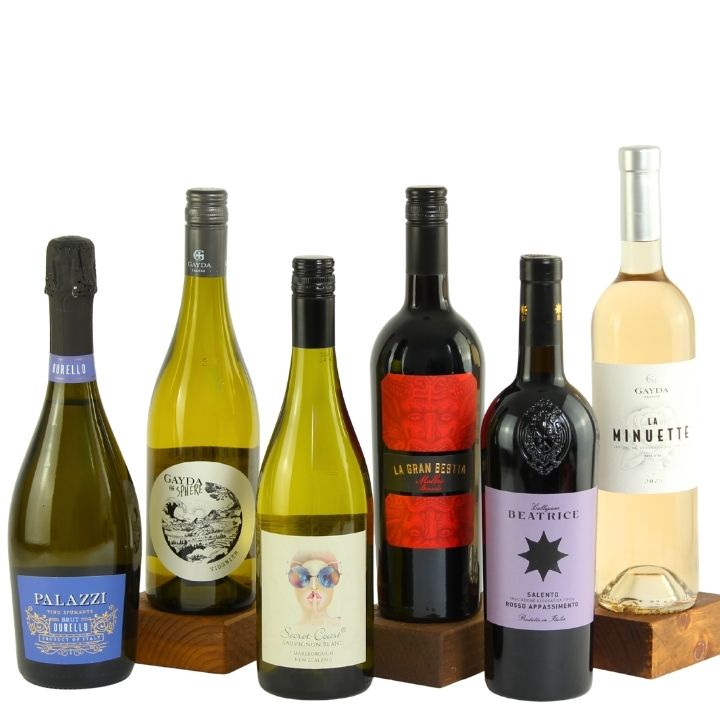
Not sure where to begin? The Santé Languedoc Mixed Case has one bottle from each of six growers, three white and three red, and it comes with free standard delivery. (Ts&Cs apply)

Languedoc Wine

Filter

Languedoc-Roussillon Wine

What is Languedoc wine?

The Languedoc is the sweep of southern France that runs from Nîmes in the east, past Montpellier and Béziers along the Mediterranean, then west through Carcassonne towards Toulouse. It is enormous - around 215,000 hectares of vines - and that scale is the point. Where a single-grape region gives you one idea done well, this one gives you well over twenty grape varieties used in every possible combination across more than a dozen appellations, on soils that change from seaside limestone to 400-million-year-old schist within an hour's drive.

What that means in the glass: reds that are warm, spicy and generous without being heavy, and whites that carry salt, stone fruit and a savoury edge you rarely find at the price. If you already drink Puglian reds, Rioja or Malbec, you will land here easily. Roussillon, just to the south against the Spanish border, is a separate region with its own identity - Catalan on the labels, black schist underfoot - and we have included two of its wines here because they are superb and the story is a good one.

Languedoc Wine Tasting Event

Not sure what to try? Start with our mixed case.

Get to know the region with a little history

40 years in the making

To get to know this region - you have to look at its history. La Clape, where vines have grown since the 6th century BC and Rome was shipping wine out of Narbonne by 118 BC, but only became an appellation in its own right in 2015. Montpeyroux, an hour to the north, became France's 369th appellation on 11 August 2026 - after a thirty-year campaign by its growers. Two more, La Livinière and Boutenac, were promoted to standalone appellations in March 2024. One of the oldest winemaking regions in France is still being redrawn, right now.

That is what the last forty years have been. The Languedoc spent most of the twentieth century as the wine cellar of industrial France, making pale, thin wine in vast quantity - and when the market for it collapsed, growers pulled up the over-productive vines and put the money into the sites that were actually worth farming. Cooler slopes, older bush vines, a grape nobody else wanted. The region did not shrink; what disappeared was the volume. What is left is a far higher proportion of good wine than at any point in its history, and a generation of growers free to do more or less as they like. Forty years is how long that takes.

Our Featured Languedoc Wineries

AOC La Clape

Sarrat de Goundy work a 150 square-kilometre block of Cretaceous limestone so permeable it holds no surface water at all. La Clape has been a standalone AOC only since 2015, though there is evidence of vines on this rock from the 6th century BC. Around 400 sheep graze between the rows over winter.  

Pézenas

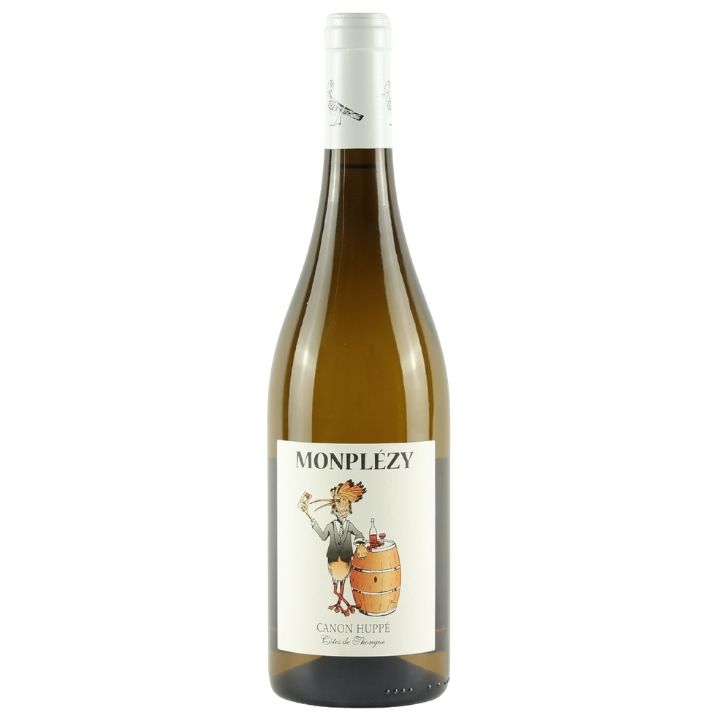
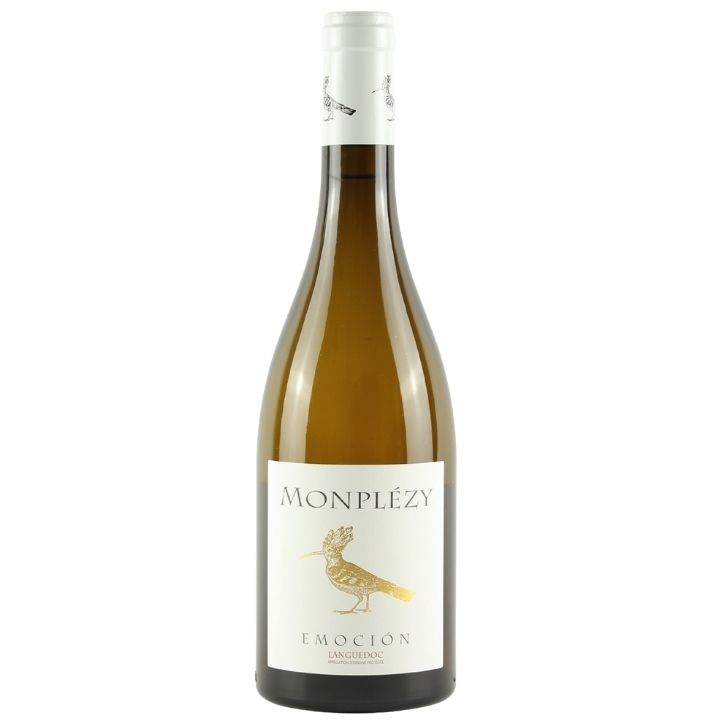
 Domaine Monplézy farm around 30 hectares of vines and scrub on clay-limestone with quartz gravel, on a hill near Pézenas. The estate went independent and organic in, 2000, after decades of sending fruit to the co-operative. Anne and Christian run it with their children Benoît, who makes the wine, and Margot. 

Canet, Hérault

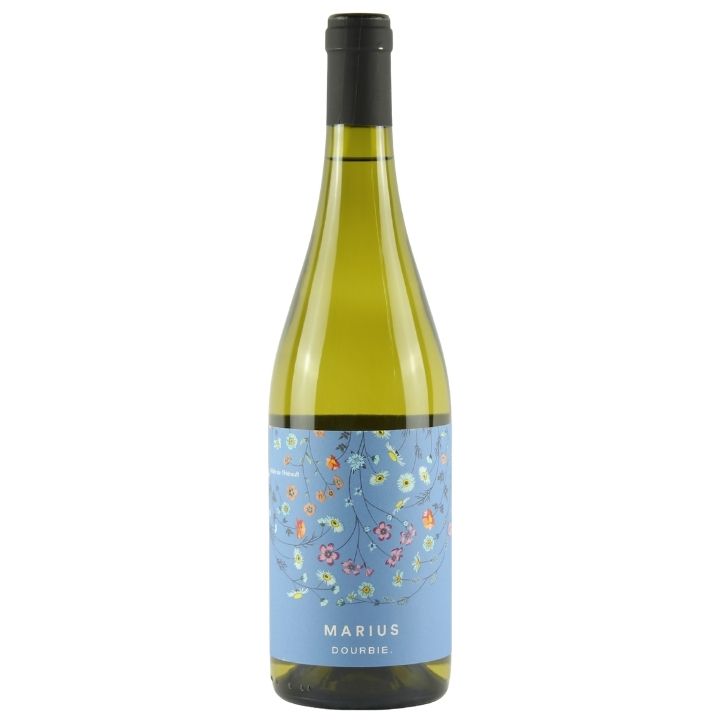
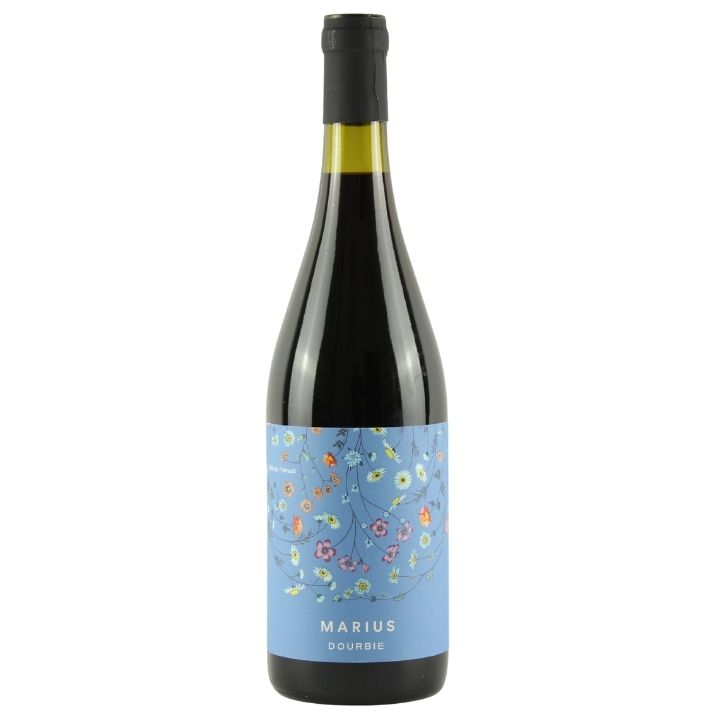
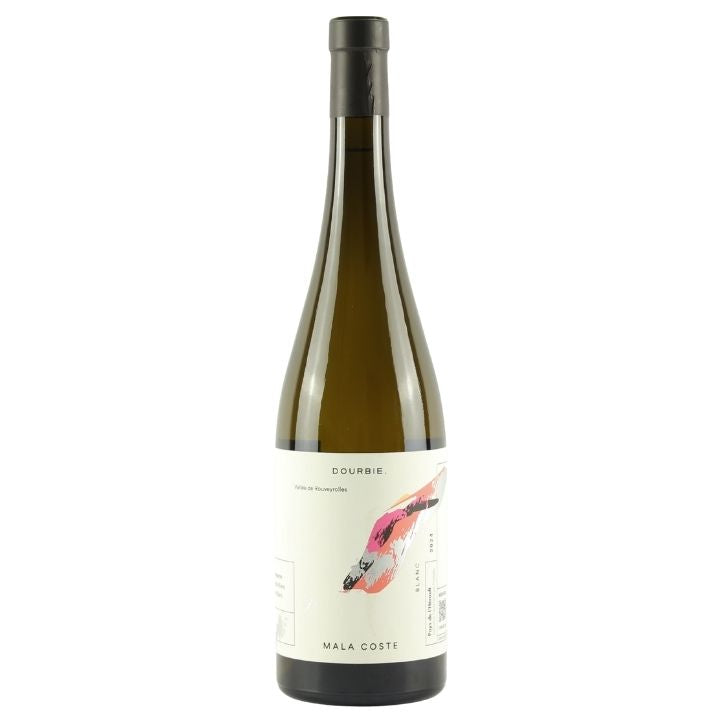
Domaine de la Dourbie takes its name from the small river running through the vineyard into the Hérault. The estate was created in 1781 and bought by the Serin family in 2003, who modernised it and converted to organic in 2009. There are beehives beside the vines and a century-old ornamental park.

Brugairolles

 Domaine Gayda farm around 40 to 50 hectares across four sites - the home estate on sandstone at Brugairolles. Their winemaker Vincent Chansault previously worked in South Africa and is now one of the most relied-on winemakers in the region. Certified organic since 2011. 

Maury

Clos del Rey is a young estate founded by Jacques Montagné in 2001. His son Julien, an oenologist, joined in 2007 and took over in 2010. Maury made its name on fortified wine, and the dry red appellation, Maury Sec, was only created in November 2011. 

Saint-Chinian

Domaine de Cambis work seventeen hectares on the Berlou hillsides in Saint-Chinian. Martin Perolari took the estate on alone in January 2019 - his parents Annick and Alfred started it in 2004 out of a village cellar. They've had organic certification running from the 2021 vintage. 

Languedoc Grape Varieties

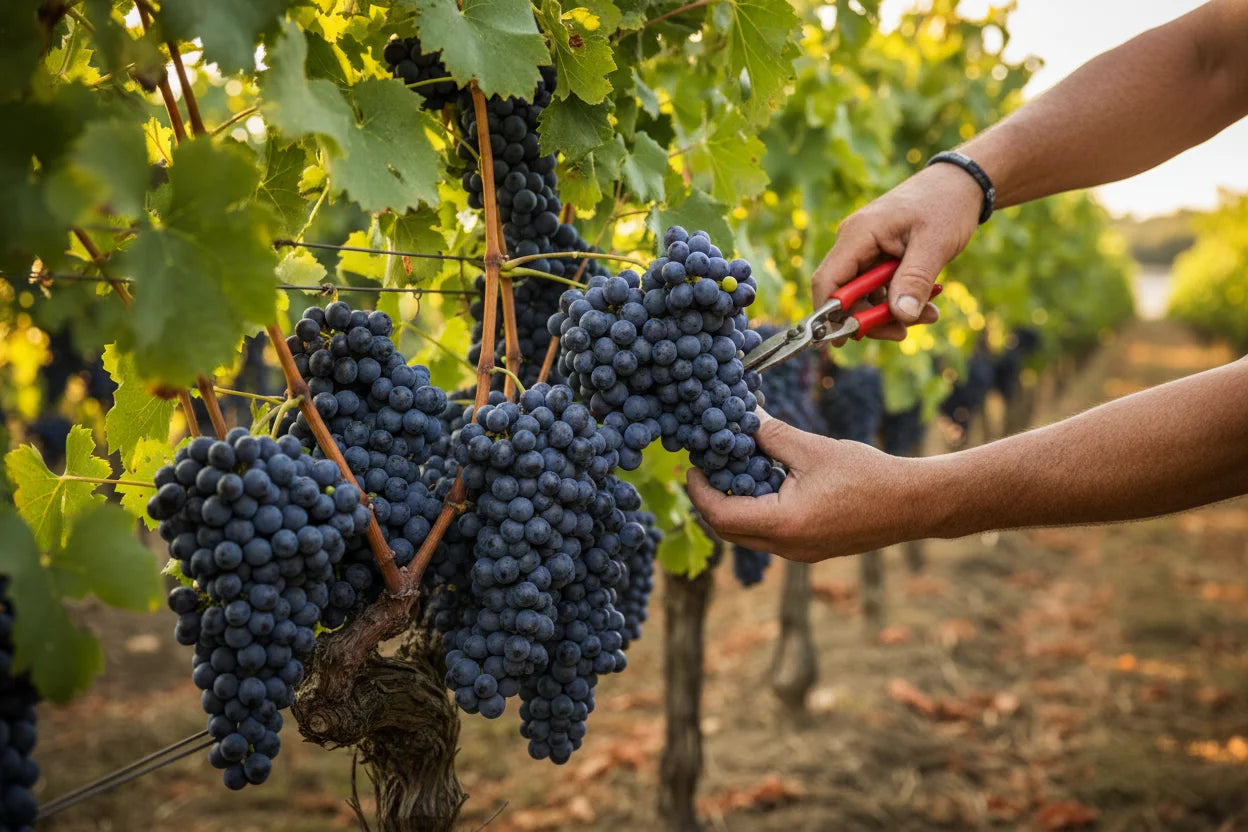
Red wines in this region are often made with Syrah, Grenache, Mourvèdre, Carignan and Cinsault, usually blended and rarely in the same proportions twice. 

Syrah brings the dark fruit and the spice, Grenachethe flesh and the warmth, Mourvèdre the grip, Carignan the grit - and Cinsault, long dismissed as a rosé grape, makes something light, cherryish and genuinely good when someone takes it seriously.

Whites are the quiet surprise. They are roughly one bottle in five of AOC Languedoc production, and where they were once buried in oak flavours they now let Grenache Blanc, Roussanne and Bourboulenc speak for themselves. 

Bourboulenc in particular, grown within sight of the sea, gives you pear and honeysuckle and a salty finish that comes from the wind carrying spray onto the grapes.

Then there is Terret. An ancient Languedoc vine that mutated into three colours from one parent, and which has very nearly gone. In 1958 there were around 15,000 hectares of it in France; today all three colours together come to under 1,000, and Terret Gris is down to roughly 40 hectares in the entire country. It buds late so it dodges frost, ripens late so it keeps its acidity, and copes with drought - a grape abandoned for being unfashionable turns out to be exactly what a warming Languedoc needs.


Languedoc Grape Varieties

Red wines in this region are often made with Syrah, Grenache, Mourvèdre, Carignan and Cinsault, usually blended and rarely in the same proportions twice. 

Syrah brings the dark fruit and the spice, Grenachethe flesh and the warmth, Mourvèdre the grip, Carignan the grit - and Cinsault, long dismissed as a rosé grape, makes something light, cherryish and genuinely good when someone takes it seriously.

Whites are the quiet surprise. They are roughly one bottle in five of AOC Languedoc production, and where they were once buried in oak flavours they now let Grenache Blanc, Roussanne and Bourboulenc speak for themselves. 

Bourboulenc in particular, grown within sight of the sea, gives you pear and honeysuckle and a salty finish that comes from the wind carrying spray onto the grapes.

Then there is Terret. An ancient Languedoc vine that mutated into three colours from one parent, and which has very nearly gone. In 1958 there were around 15,000 hectares of it in France; today all three colours together come to under 1,000, and Terret Gris is down to roughly 40 hectares in the entire country. It buds late so it dodges frost, ripens late so it keeps its acidity, and copes with drought - a grape abandoned for being unfashionable turns out to be exactly what a warming Languedoc needs.

FAQ

They're delicious! They're also very diverse

Red range from and warm, spicy and generous - dark fruit, garrigue herbs, soft tannins - that sit close to a bold Puglian red or a Rioja in feel, if not in grape. There are also fresher reds, often made with Carignan that can be gently chilled.

Whites tend to be fresher than the mediterranean climate suggests, with stone fruit, citrus and a savoury, sometimes salty finish, particularly near the coast. Because the region runs on blends and covers such varied ground, there is no single house style, which is most of the fun of it.

FRom out new arrivals, start with Les Saisonniers Rouge from Sarrat de Goundy - a Grenache and Syrah blend under screwcap, all juicy red and dark fruit with nothing to work out. If you want something with more shape, Marius Rouge from Domaine de la Dourbie is Cinsault-led and blended in wooden foudre. For the big-red drinker, La Combe aux Louves is old-vine Mourvèdre from La Clape and the most serious bottle on the page.

Several of them are. Domaine Gayda have been certified organic since 2011, Monplézy since 2000, La Dourbie since 2009, and Domaine de Cambis from the 2021 vintage. Several go further and ferment without added sulphur. Where a wine is farmed organically but not certified, or where we have not been able to confirm it, the product page says so.

As the IGP for wines in the combined region they get said in one breath and yet they are not the same place. The Languedoc runs along the coast from Nîmes to Carcassonne. Roussillon sits south of it, against the Pyrenees and the Spanish border, and is culturally Catalan - different council, different history, Catalan rather than Occitan on the labels, and those villages only ended up on the French side with the Treaty of the Pyrenees in 1659. The soils are different too: Roussillon brings schist and much lower yields. For example, our Clos del Rey wines are from Maury in the Roussillon, not Languedoc.

Six or twelve. You can browse them separately: 6 bottle cases and 12 bottle cases.

Yes, free from any of our shops. Orders come from our warehouse to the shops on set days: Wednesday and Friday for Didsbury, Tuesday and Friday for Mackie Mayor, Tuesday and Thursday for Altrincham, and Thursday for Macclesfield. Order by 8.30am on a transfer day and it'll be there the same day. We'll email you when it's ready to pick up.
Kate Goodman, who opened Reserve Wines in 2003, and Nic Rezzouk, who does our buying. Everything in this collection is tasted several times before it reaches customers, and we try to retaste whenever a new vintage arrives. Wine is a living beverage and can change bottle to bottle, so if you have any issues with any of our wines, please get in touch at hello@reservewines.co.uk

SEARCH