





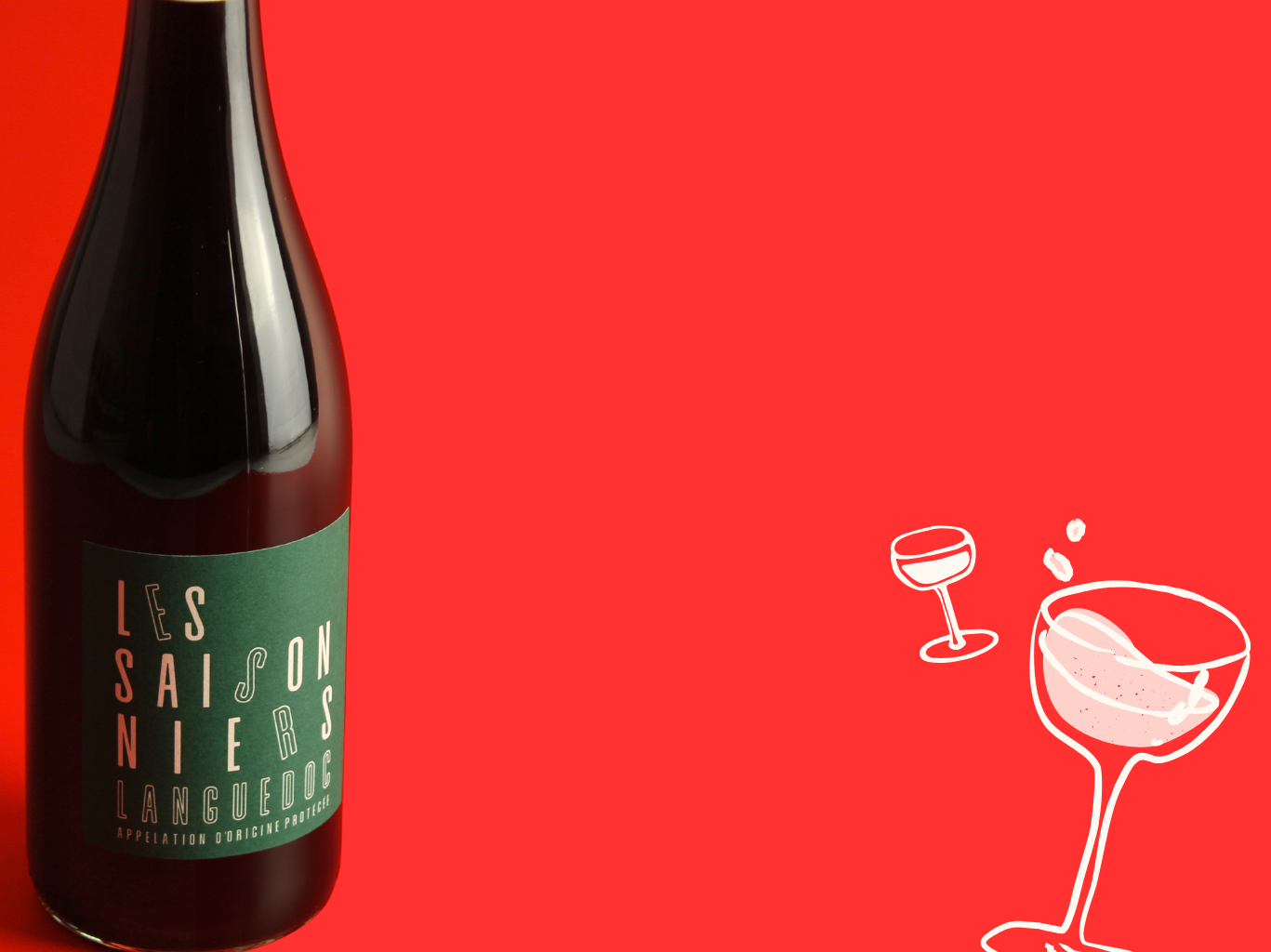

France is the most famous winemaking country on earth - Bordeaux, Burgundy, Champagne, Châteauneuf-du-Pape. Let's face it though, French wine has a slightly lacklustre image with a lot of drinkers outside France. When you're anchored in centuries of tradition and custom, it's hard to let go of a past that has served you so well for so long.
That takes nothing away from those majestic regions and their wines of legend. But it's usually not where you go when you shop with us. You're more likely to reach for a fresh, zingy Spanish white or a punchy, spicy Puglian red.
The Languedoc has a different story. Things are happening here that you won't see anywhere else in France. The last thirty or forty years have been really exciting, and today we get to pick the ripe fruit of that evolution.
What's happening in Languedoc wine right now
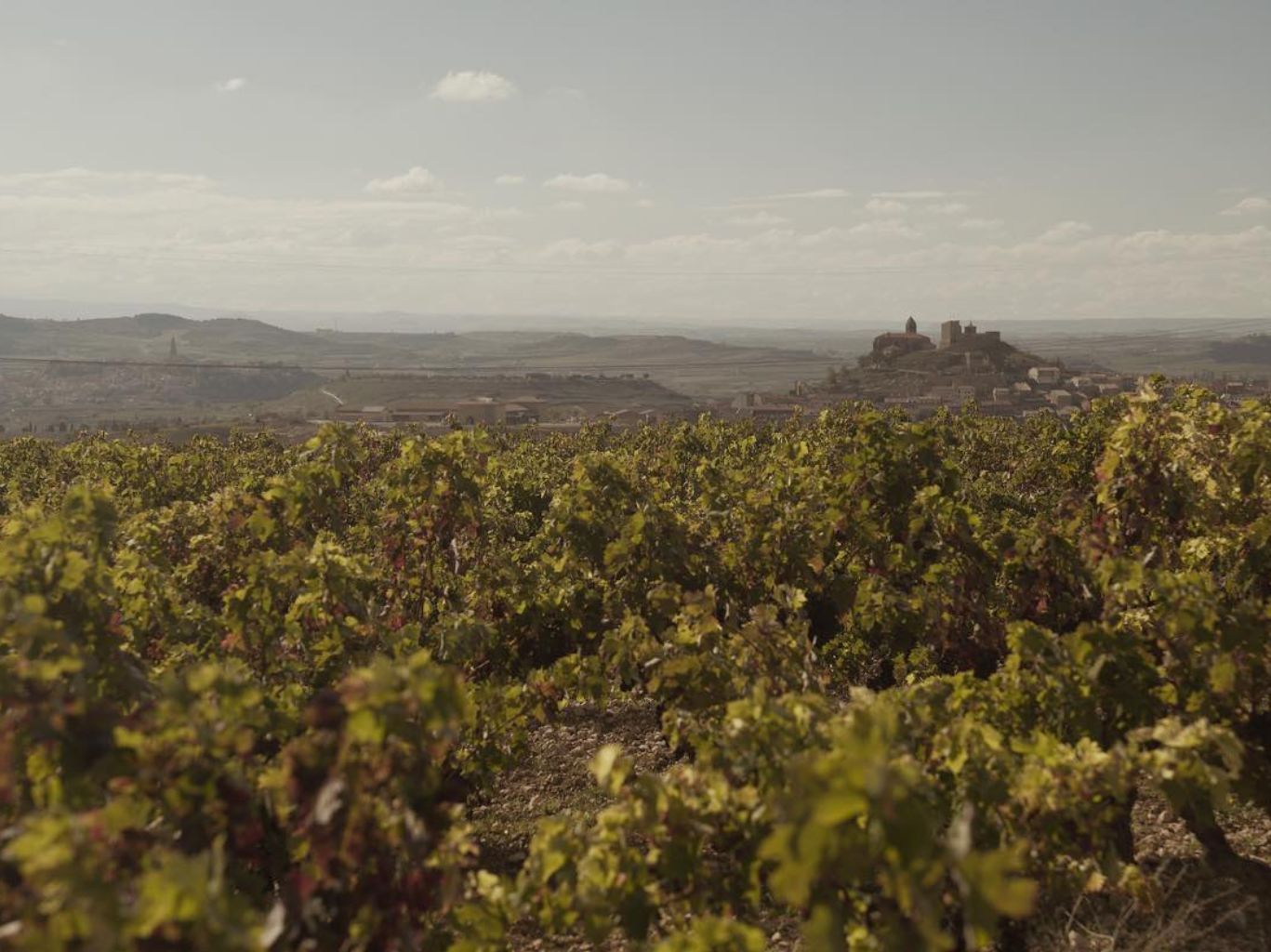
The Languedoc is vast. It runs from Nîmes in the east, past Montpellier and Béziers, kissing the Mediterranean, then west via Carcassonne towards Toulouse. Across that stretch you get a wide range of landscapes and soils, and in the end, different cultures and histories too.
Unlike most famous French regions, there's no single grape in charge. Well over twenty varieties are used here, in every possible combination, across more than a dozen appellations. That gives us a spread of styles no single-grape region can match, which is exactly the kind of diversity we want as wine buyers.
Winemaking has moved just as fast. In the last twenty years we've seen everything from ultra-technological control to a deliberate laissez-faire approach, in every vessel going: stainless steel, concrete, amphora, terracotta and, of course, wood. Our current Languedoc list alone takes in concrete eggs, stoneware jars, 500-litre barrels, terracotta jars and gravity-fed stainless steel with no added sulphur.
Why Languedoc wine is such good value
Here's the one number worth remembering. In 2024 an average hectare of Languedoc-Roussillon IGP vineyard changed hands for around €14,300. The same hectare in Champagne cost over €1.1 million. Same country, same year, same purpose for the land.
Bordeaux averaged about €101,000 a hectare and Burgundy about €295,900. So a Languedoc vineyard costs roughly a seventh of a Bordeaux one, and a seventy-eighth of a Champagne one. Add a climate that reliably ripens fruit and the better value comes down to arithmetic. It's why a £15 bottle from La Clape can out-perform a £25 bottle from a famous name.
A short history of wine in the Languedoc
The Romans, and a canal built for wine
Rome took southern Gaul in the 120s BC and founded Narbonne (Narbo Martius) in 118 BC, the first Roman colony in Gaul. Vines were already growing on the La Clape massif by then, with evidence of viticulture going back to the 6th century BC. What Rome added was the road and the port that sold the wine. So when we say two thousand years of winemaking, we're being conservative.
Jump to the late 17th century and the Canal du Midi, built between 1667 and 1694 and now a UNESCO World Heritage Site. It's a beautiful piece of civil engineering, and wine was one of its main cargoes, travelling from the Mediterranean via Carcassonne to Toulouse, then down the Garonne to the Atlantic and the world. Its busiest year was 1856. The last boat carrying wine on it ran in 1989.
Railways, phylloxera and Algeria
The railway arrived in 1857, linking Béziers and Sète to the industrial north, and the Languedoc became the wine cellar of industrial France.
Then came phylloxera, the vine-killing aphid that devastated European vineyards. The Languedoc was hit first, and hard: the first recorded outbreak in France was here, in the Gard, in 1863.
It came back fighting. By the end of the 19th century the region's four departments were producing 40% of all French wine. But that wine was pale, thin, drawn-out stuff that needed blending with something stronger. That's where Algeria came in. In the mid-1930s Algeria held 67% of world wine exports, and almost all of it went to France to give southern reds some backbone. When Algeria became independent in 1962 that supply vanished, and the Languedoc had to work out what it was for. A far cry from what we're tasting today.
The vine pull, and what came out the other side
The Languedoc's reputation for volume was earned. The European wine lake was real: at its worst, Europe was producing 1.7 billion more bottles a year than it sold, and EU taxpayers were spending around €500 million a year distilling the surplus into industrial alcohol. In 1988 the EU started paying growers to pull up vines. Over five years 320,000 hectares went across the union - an area the size of the entire US vineyard - and southern France took a large share of it.
It hasn't stopped. In 2024 the French government opened a fresh €120 million grubbing-up scheme at €4,000 a hectare. Occitanie pulled up 12,000 hectares that year alone, 7% of the regional vineyard and 44% of all the vine-pulling in France.
Here's the interesting bit. The region didn't shrink as a share of France. It still makes up about a quarter of the French vineyard, much as it did in the 2000s. What went was bulk volume, and what's left is a higher proportion of quality wine than at any point in its history.
Since the 1980s a steady stream of AOC appellations has been created here, each one showing off what a particular patch of land can do: Minervois, Corbières, Faugères, Saint-Chinian, Pic Saint-Loup, Terrasses du Larzac, La Clape. Whites and rosés have come on too. The early whites leaned heavily on oak, and today they're far more restrained, letting grapes like Grenache Blanc, Roussanne and Bourboulenc do the talking.
1907: the year the Midi rose
One story worth knowing. By 1907 wine prices had collapsed and fraud was rampant. Growers across the south marched in numbers that are hard to imagine now: 100,000 at Narbonne, 150,000 at Béziers, and on 9 June at Montpellier somewhere between 600,000 and 800,000 people. It was the largest demonstration of the French Third Republic.
Clemenceau, who had said "I know the South, it will all end with a banquet", sent in 25,000 infantry and 8,000 cavalry. On 19-20 June troops killed seven people at Narbonne, including a fourteen-year-old boy and a twenty-year-old woman.
That night, around 500 men of the 17th Line Infantry Regiment - local lads, recently posted from Béziers to Agde - raided their own armoury, marched twenty kilometres through the dark and arrived in Béziers at ten the next morning. The townspeople brought them bread and wine. They faced no criminal charge. Three days later the entire regiment was shipped off to Tunisia. A song was written about them that same year, and people still sing it.
So when you pour a glass of Languedoc wine, you're drinking something from a place where people rioted over the honesty of wine.
Next up: Languedoc wine by the glass
The best way to get to know a region this varied is a glass at a time. In our next post we pick out the Languedoc wines we're pouring by the glass in our bars, and why each one made the cut.
Read: Languedoc wines by the glass
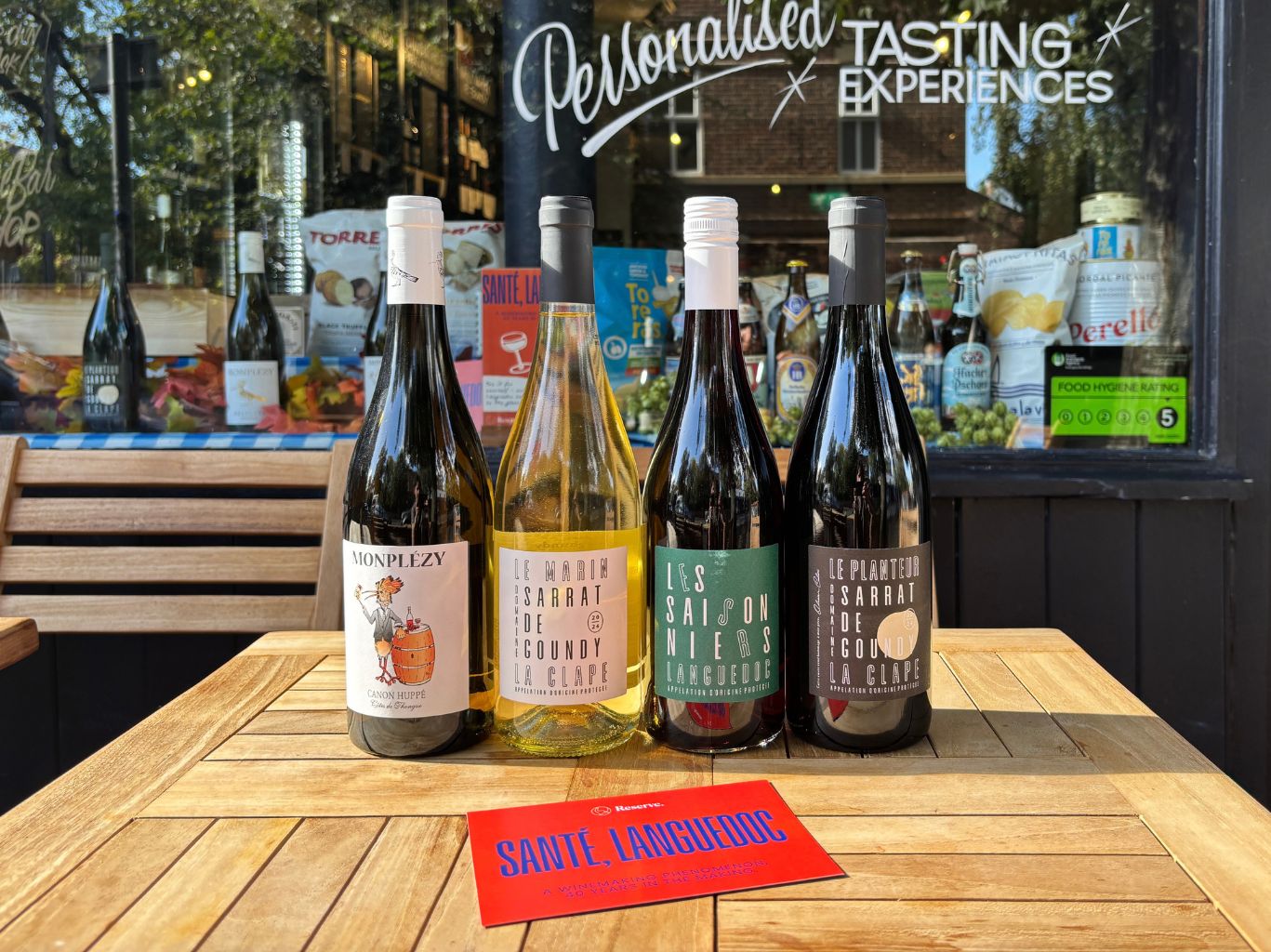
Or if you'd rather dive straight in, shop our Languedoc and Roussillon wines.
Languedoc wine FAQs
Where is the Languedoc wine region?
The Languedoc is in the south of France, along the Mediterranean coast. It stretches from Nîmes in the east, past Montpellier and Béziers, then west via Carcassonne towards Toulouse.
How big is the Languedoc wine region?
The Languedoc-Roussillon basin covers around 215,000 hectares of vines, roughly 24% of the French vineyard. That's about the same quarter-share it held in the 2000s, despite large-scale vine pulling since (source: DRAAF Occitanie, October 2025).
Why is Languedoc wine cheaper than Bordeaux or Burgundy?
Land is a big part of it. In 2024 an average hectare of Languedoc-Roussillon IGP vineyard sold for around €14,300, against about €101,000 in Bordeaux, €295,900 in Burgundy and over €1.1 million in Champagne. Lower costs, plus a warm climate that reliably ripens fruit, mean you get more wine for your money.
What grapes are grown in the Languedoc?
Well over twenty varieties, used in all sorts of blends across more than a dozen appellations. For whites, look out for Grenache Blanc, Roussanne and Bourboulenc.
What are the main Languedoc appellations?
Names to look for include Minervois, Corbières, Faugères, Saint-Chinian, Pic Saint-Loup, Terrasses du Larzac and La Clape. In March 2024 two were promoted to standalone appellations: La Livinière (formerly Minervois-La Livinière) and Boutenac (formerly Corbières-Boutenac). Older bottles will still carry the longer names.
Does the Languedoc make white wine?
Yes. White wine is about 18% of AOC Languedoc production, roughly one bottle in five. Rosé has grown up alongside it, and the region makes sparkling wine too.
Where is sparkling wine made in the Languedoc?
Limoux, just south of Carcassonne, is the region's sparkling capital. Locals will tell you their Blanquette beat Champagne to bubbles by 150 years, based on monks' records from 1531. Take that as you find it: the first person to write down how to make wine sparkle on purpose was an Englishman, Christopher Merret, in 1662.
Where did phylloxera start in France?
In the Languedoc. The first recorded French outbreak was at Pujaut, in the Gard, in 1863. The region is often assumed to have escaped it, but it was actually ground zero.



Leave a comment (all fields required)