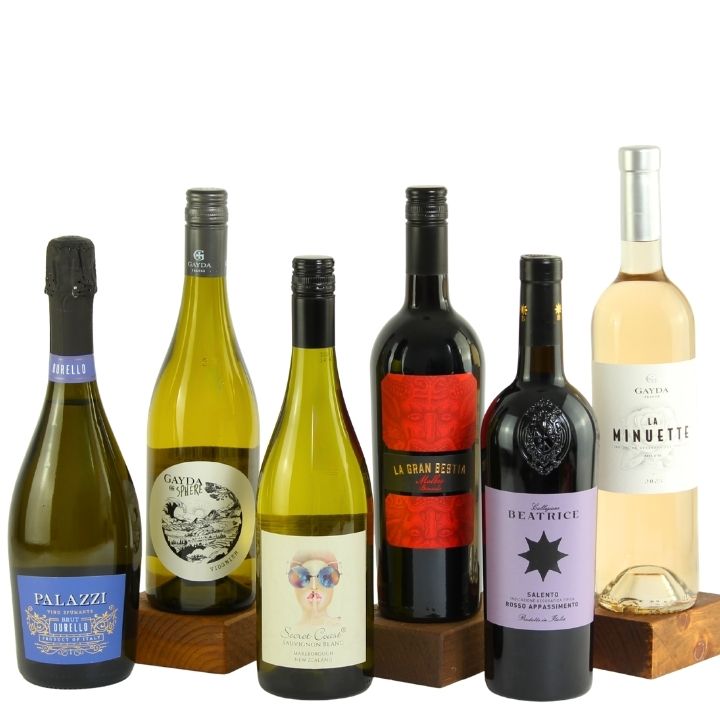
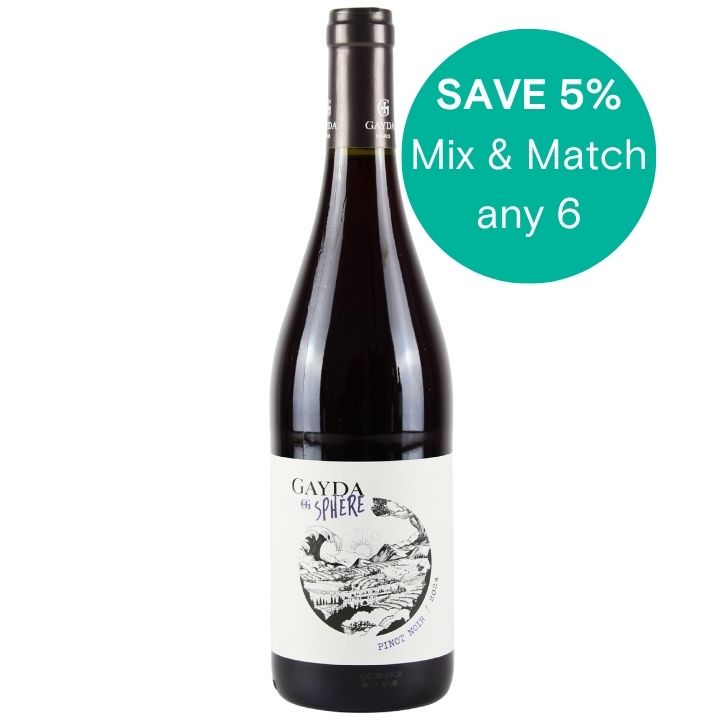
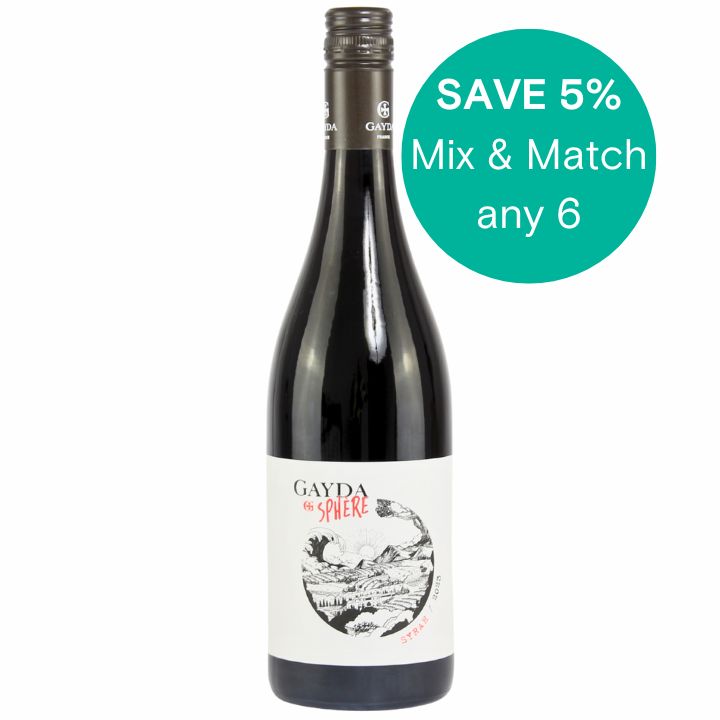
£76.00
Shop now and bring home a taste of the real South of France.
Prefer a personal recommendation? Visit us in-store and ask about what we’re loving from Gayda right now.
Founded: 2003
Location:Brugairolles, Languedoc, in the Pyrenean foothills near Carcassonne
Founders:Tim Ford and Anthony Record
Winemaker: Vincent Chansault
Annual Production: Around 1.2 million bottles
Speciality: Pays d’Oc IGP blends from organically farmed vineyards
Signature Style:Modern, low-intervention wines with minimal sulphur, built around Syrah, Grenache and Cinsault, best known for Chemin de Moscou
Founded: 2003
Location:Brugairolles, Languedoc, in the Pyrenean foothills near Carcassonne
Founders:Tim Ford and Anthony Record
Winemaker: Vincent Chansault
Annual Production: Around 1.2 million bottles
Speciality: Pays d’Oc IGP blends from organically farmed vineyards
Signature Style:Modern, low-intervention wines with minimal sulphur, built around Syrah, Grenache and Cinsault, best known for Chemin de Moscou


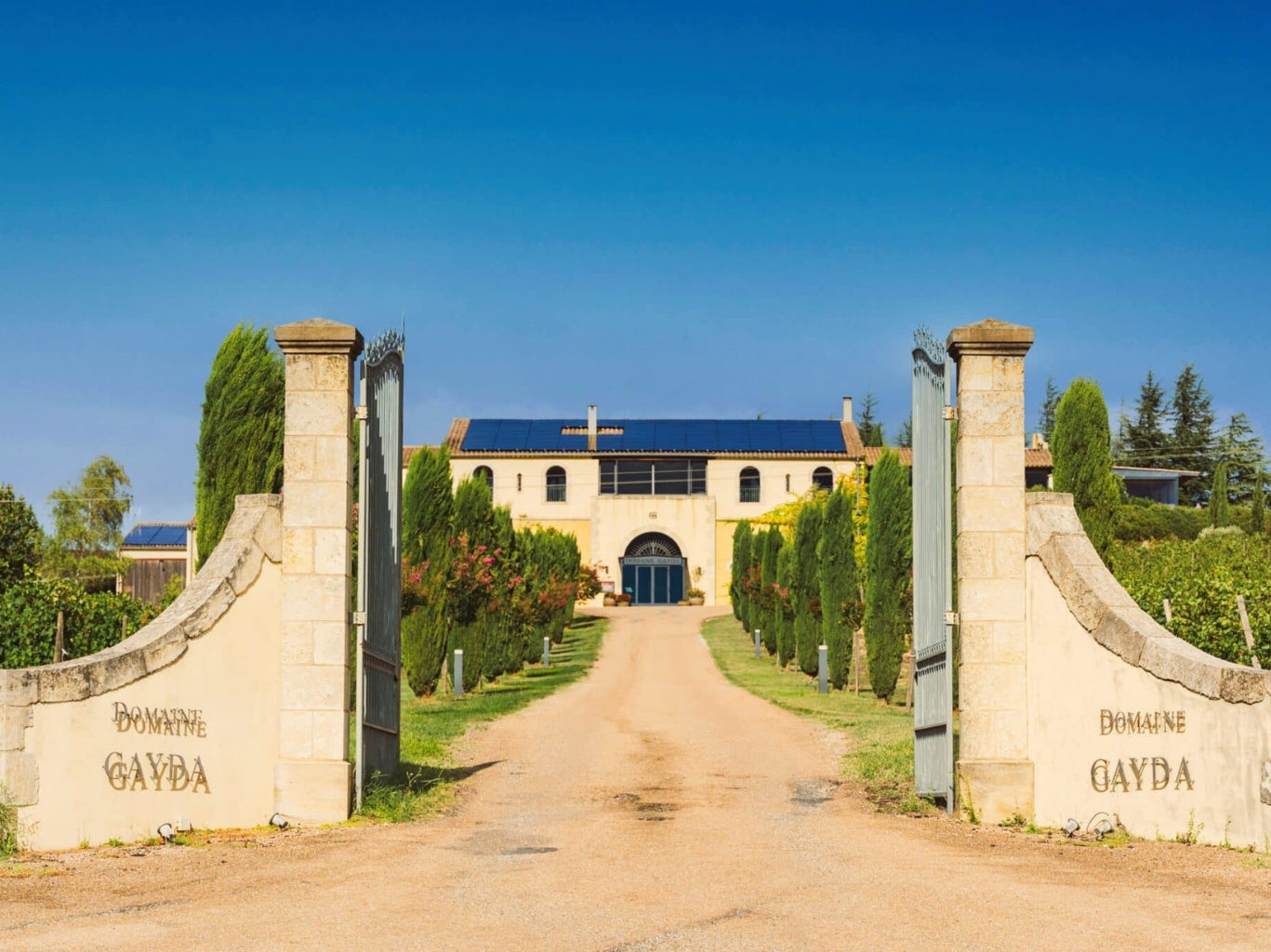
Gayda started at almost exactly the same time as Reserve, in 2003, on what had been sunflower fields. It was a more commercial venture from the outset, but they’re no less exciting to work with and to drink, and they reflect values we share: organic viticulture, sustainable practice throughout, and a commitment to keep improving. None of that takes anything away from the quality in the glass. Today they make around 1.2 million bottles a year, sold in over 40 countries. About three-quarters of it is drunk in France, where Chemin de Moscou is on the list at more than 2,000 restaurants and wine shops.
The founding story is better than most. Tim Ford, who used to be a horticulturist in Africa, and Anthony Record (born in Cape Town, now chairman) bought the land, then went looking for a winemaker. They found Vincent Chansault in Cape Town in 2003, a Loire boy who trained in Cognac and had been making wine at Boekenhoutskloof (Chocolate Block anyone?) in Franschhoek under Marc Kent. Ford calls him “the final piece of the puzzle”. Chansault took the job because, in his words, the Languedoc reminded him of South Africa: the same diversity of soils, the same proximity to ocean and mountains and wide flat land. He’s been with the business since the beginning, and Kent still advises on blending today. Vincent is now a bit of a leader in the region, with many winemakers relying on his support and experience to navigate their ever-changing circumstances. He is also refreshingly blunt about it: “I don’t want to be told how to make wine.”
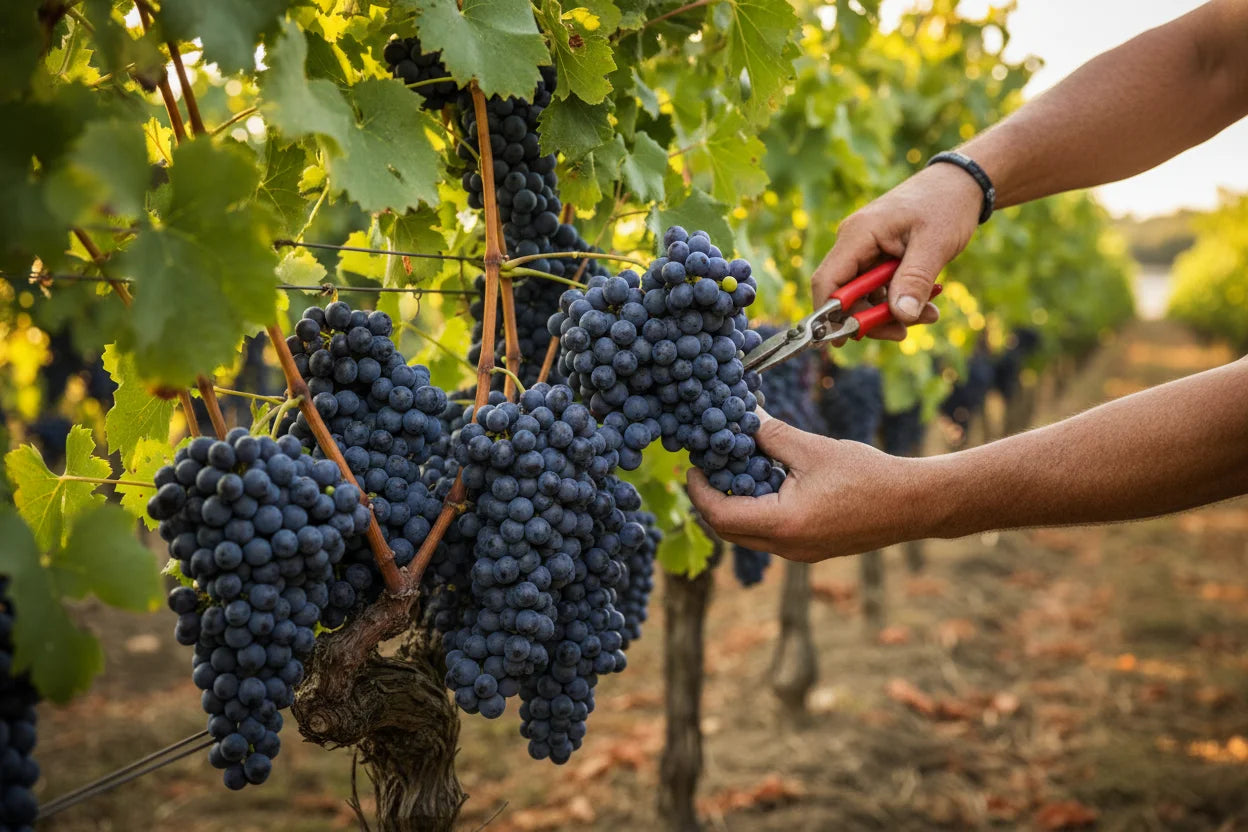
They farm around 40–50 hectares across four sites: the home estate at Brugairolles on sandstone at 200m, prized plots at La Livinière in the Minervois, and two Roussillon holdings in the Agly valley, Col de la Dona and Latour-de-France, on gneiss. They’ve been certified organic since 2011. There are 300 olive trees they planted the same year, green manures, bee-forage plantings, winter cover crops and massal selection for new Syrah. In the winery, wines are made in a mix of stainless steel, concrete, big oak foudres and terracotta amphorae, with sulphur kept low. The estate also has its own restaurant, a shop and holiday accommodation, so you can stay a while.
Gayda started at almost exactly the same time as Reserve, in 2003, on what had been sunflower fields. It was a more commercial venture from the outset, but they’re no less exciting to work with and to drink, and they reflect values we share: organic viticulture, sustainable practice throughout, and a commitment to keep improving. None of that takes anything away from the quality in the glass. Today they make around 1.2 million bottles a year, sold in over 40 countries. About three-quarters of it is drunk in France, where Chemin de Moscou is on the list at more than 2,000 restaurants and wine shops.
The founding story is better than most. Tim Ford, who used to be a horticulturist in Africa, and Anthony Record (born in Cape Town, now chairman) bought the land, then went looking for a winemaker. They found Vincent Chansault in Cape Town in 2003, a Loire boy who trained in Cognac and had been making wine at Boekenhoutskloof (Chocolate Block anyone?) in Franschhoek under Marc Kent. Ford calls him “the final piece of the puzzle”. Chansault took the job because, in his words, the Languedoc reminded him of South Africa: the same diversity of soils, the same proximity to ocean and mountains and wide flat land. He’s been with the business since the beginning, and Kent still advises on blending today. Vincent is now a bit of a leader in the region, with many winemakers relying on his support and experience to navigate their ever-changing circumstances. He is also refreshingly blunt about it: “I don’t want to be told how to make wine.”
They farm around 40–50 hectares across four sites: the home estate at Brugairolles on sandstone at 200m, prized plots at La Livinière in the Minervois, and two Roussillon holdings in the Agly valley, Col de la Dona and Latour-de-France, on gneiss. They’ve been certified organic since 2011. There are 300 olive trees they planted the same year, green manures, bee-forage plantings, winter cover crops and massal selection for new Syrah. In the winery, wines are made in a mix of stainless steel, concrete, big oak foudres and terracotta amphorae, with sulphur kept low. The estate also has its own restaurant, a shop and holiday accommodation, so you can stay a while.
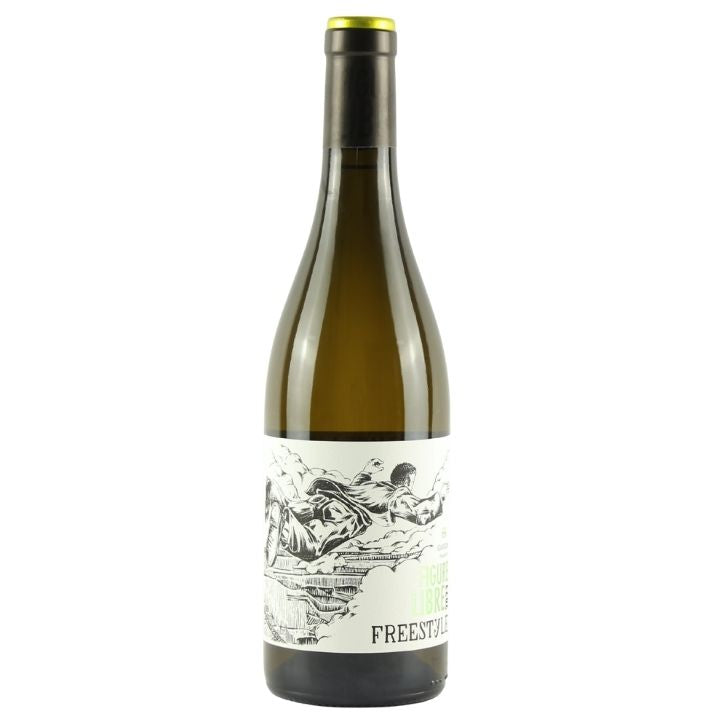
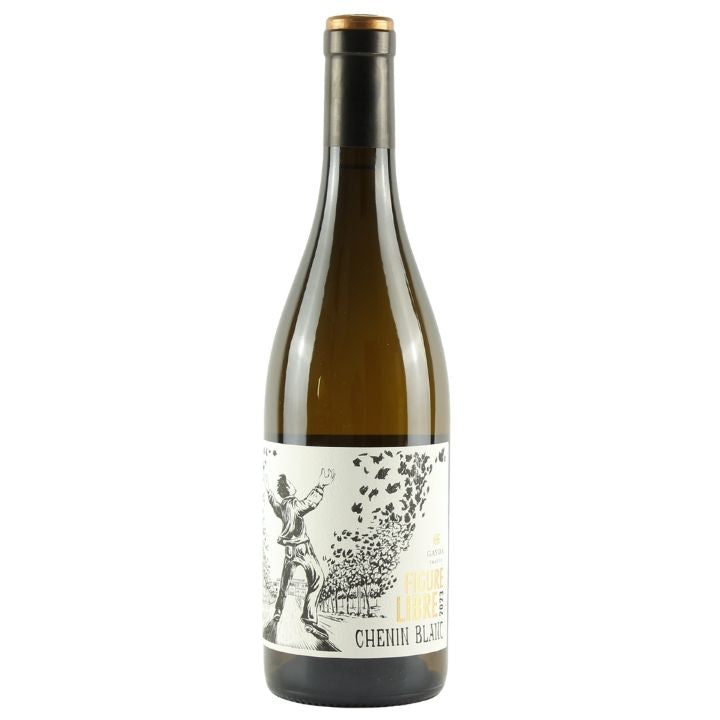
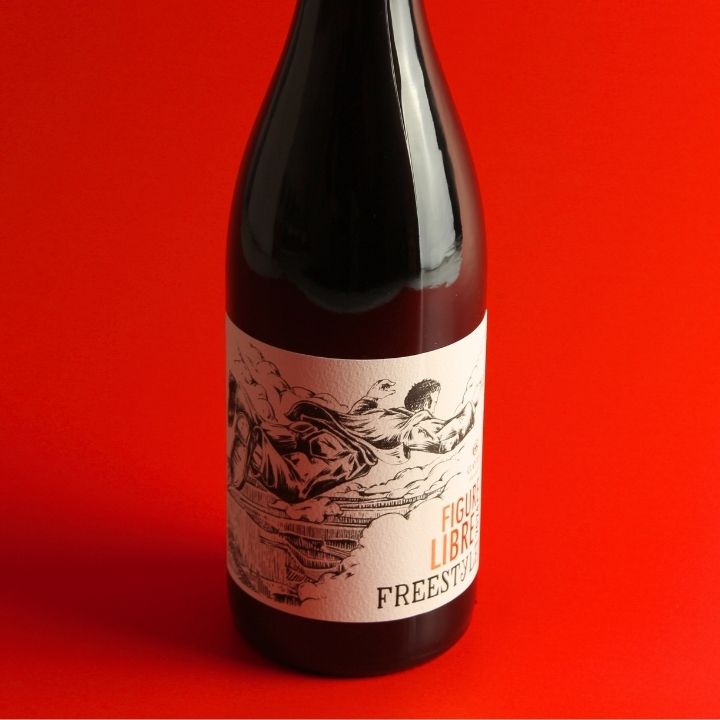
New to shelves this year is teh Figure Libre range. The range name Figure Libre is a gymnastics term. A “figure libre” is the free programme, the bit where you do what you want. That’s the idea: Loire varieties planted in the Languedoc, blends nobody else would attempt, deliberately outside the appellation rules. Alongside it you’ll find established favourites like En Passant, La Minuette and T’Air d’Oc.
Their flagship red is Chemin de Moscou, the Moscow Road, named after the land-registry name of the vineyard. It has been made since 2007, mostly Syrah with Grenache and Cinsault. Local legend says a huge pine stood there, l’arbre de Moscou, where villagers gathered for meetings, and that Aéropostale pilots flying out of Toulouse towards Perpignan, Spain, North Africa and South America used it as a navigation landmark. That’s the era Antoine de Saint-Exupéry wrote about. The tree was struck by lightning and destroyed about twenty years ago. The road, and the name, remain.
New to shelves this year is teh Figure Libre range. The range name Figure Libre is a gymnastics term. A “figure libre” is the free programme, the bit where you do what you want. That’s the idea: Loire varieties planted in the Languedoc, blends nobody else would attempt, deliberately outside the appellation rules. Alongside it you’ll find established favourites like En Passant, La Minuette and T’Air d’Oc.
Their flagship red is Chemin de Moscou, the Moscow Road, named after the land-registry name of the vineyard. It has been made since 2007, mostly Syrah with Grenache and Cinsault. Local legend says a huge pine stood there, l’arbre de Moscou, where villagers gathered for meetings, and that Aéropostale pilots flying out of Toulouse towards Perpignan, Spain, North Africa and South America used it as a navigation landmark. That’s the era Antoine de Saint-Exupéry wrote about. The tree was struck by lightning and destroyed about twenty years ago. The road, and the name, remain.


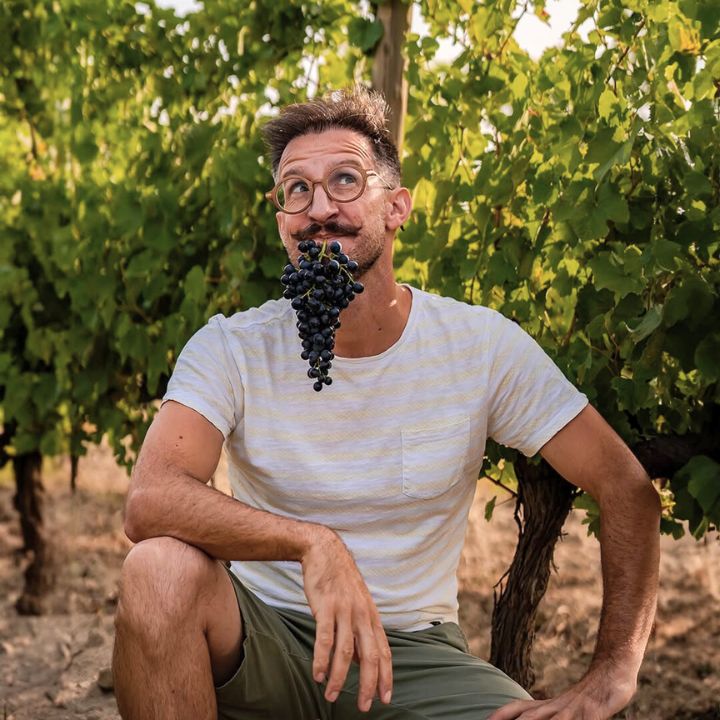
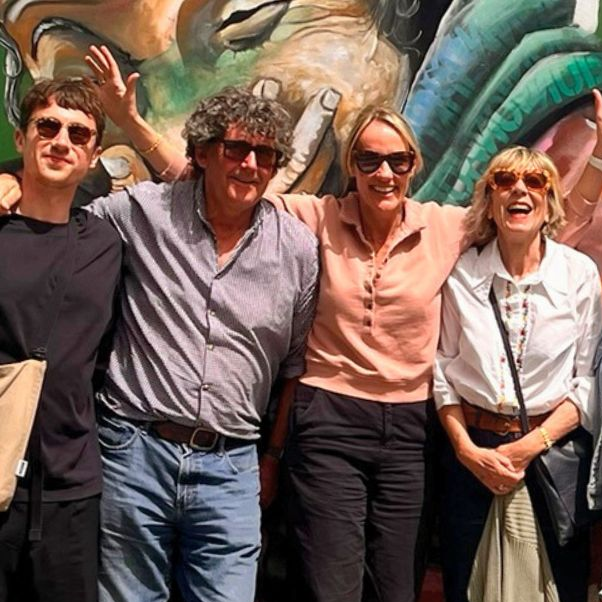
When Kate took the team to Domaine Gayda, it was the first wine trip she’d been on with colleagues in 22 years. Instead of the usual dash round a handful of estates, they spent real time with co-owner Tim Ford and heard the whole story: frost that took a big chunk of his grapes almost overnight, the cashflow squeeze of waiting months or years to be paid for a harvest, and why he keeps choosing organic farming and healthy soil anyway. There was also a lively bottle of pet nat. Read the full story of our visit.
When Kate took the team to Domaine Gayda, it was the first wine trip she’d been on with colleagues in 22 years. Instead of the usual dash round a handful of estates, they spent real time with co-owner Tim Ford and heard the whole story: frost that took a big chunk of his grapes almost overnight, the cashflow squeeze of waiting months or years to be paid for a harvest, and why he keeps choosing organic farming and healthy soil anyway. There was also a lively bottle of pet nat. Read the full story of our visit.
Please confirm that you are over 18 to enter
By entering this site you are agreeing to the Terms of Use and Privacy Policy.