









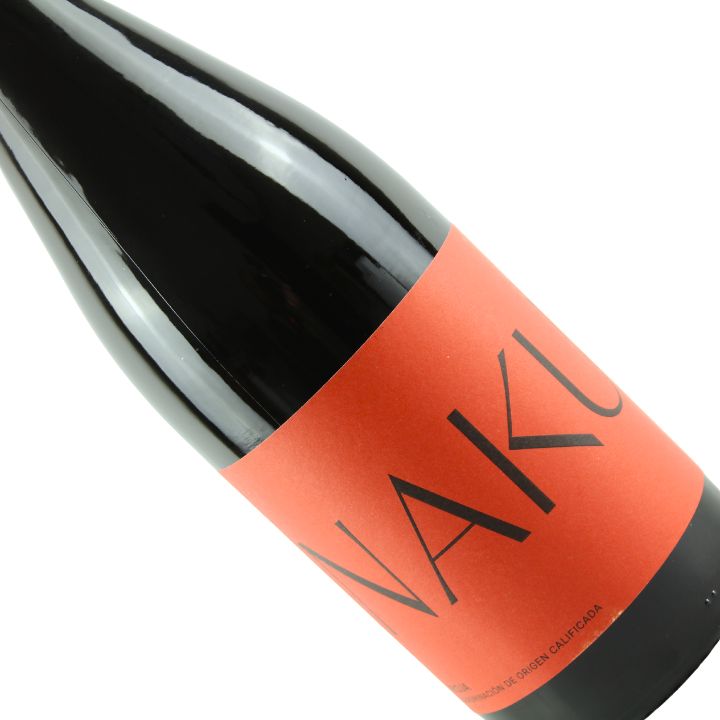


UKAN, Rioja Alavesa
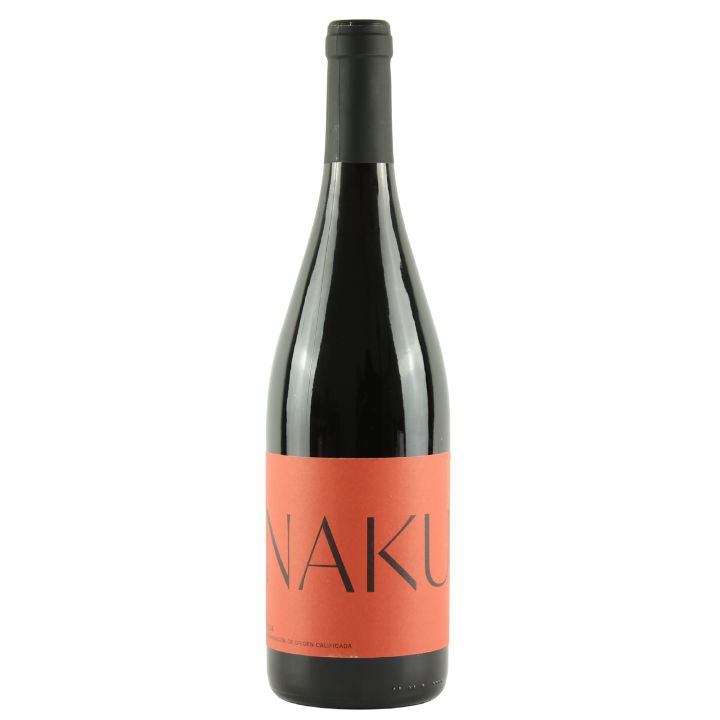
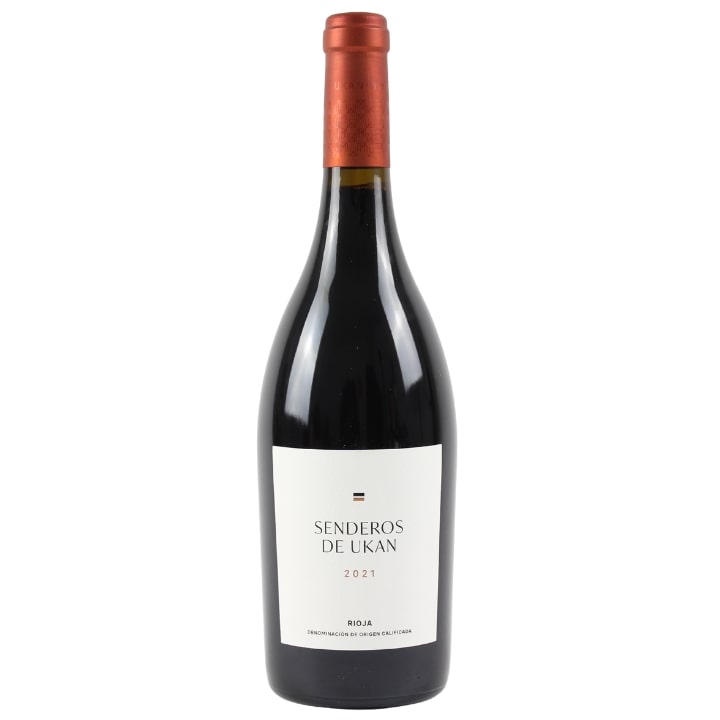
A fifth-generation Rioja family bottling single vineyards from named Cru villages instead of blending across the region. NAKU is UK-exclusive to us; UKAN Blanco is a genuine UK debut.


 £76.00
Spain has more land under vine than any other country on earth, and many of us only ever meet a fraction of it: Rioja, Rías Baixas, maybe Ribera del Duero and Priorat. These regions are famous for good reason. However it's just the tip of what's actually there.
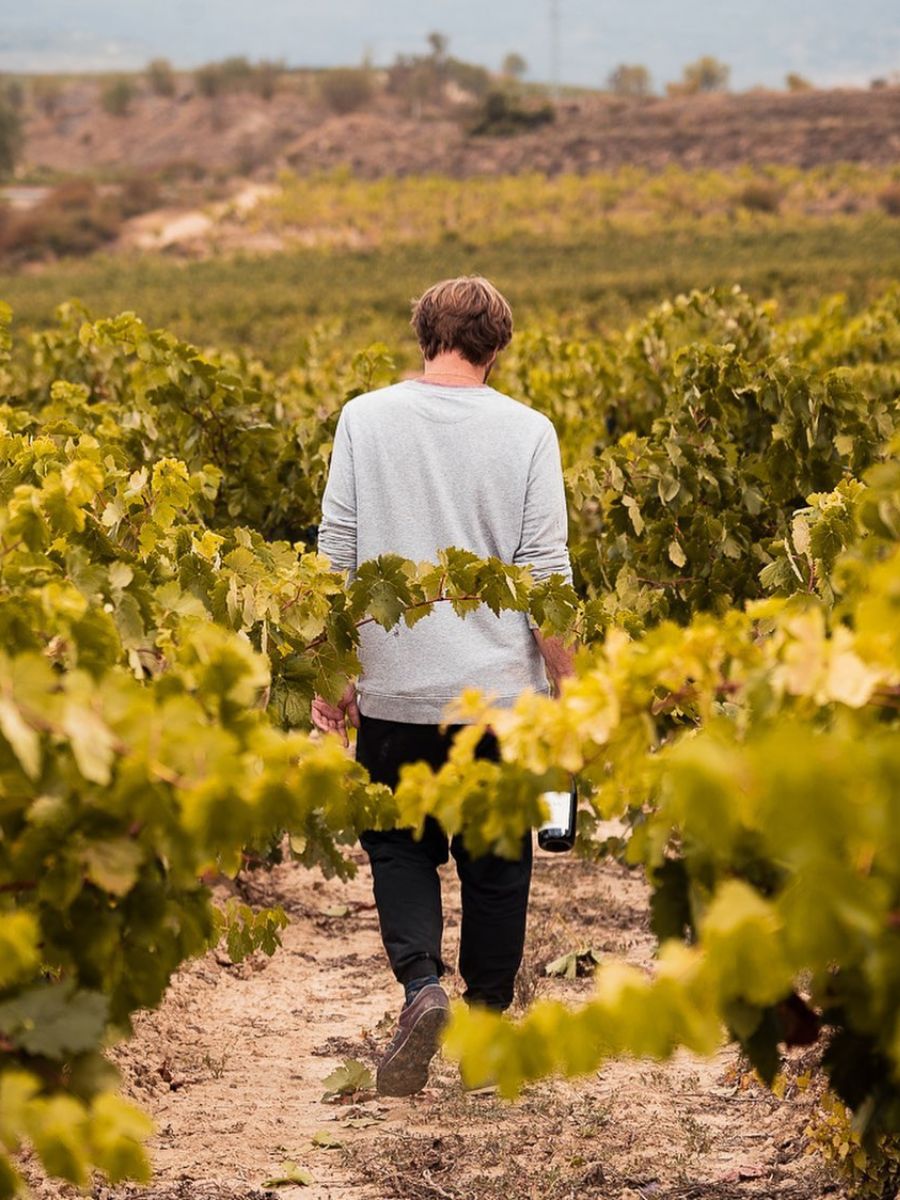
Beneath the big names is a country of small, family-run wineries working old vines in places less well-known: Cariñena in Aragón, Bierzo in the northwest, Almansa in the southeast. Many of them farm organically almost by default, on land too dry and too marginal for anything else to have taken hold. A new generation of Rioja producers, meanwhile, is going back to single-vineyard, low-yield winemaking that has more in common with Burgundy than with the blended, brand-led Rioja most of us grew up drinking.
This summer, we're putting some of these wines in front of you.
Spain has more land under vine than any other country on earth, and many of us only ever meet a fraction of it: Rioja, Rías Baixas, maybe Ribera del Duero and Priorat. These regions are famous for good reason. However it's just the tip of what's actually there.
Beneath the big names is a country of small, family-run wineries working old vines in places less well-known: Cariñena in Aragón, Bierzo in the northwest, Almansa in the southeast. Many of them farm organically almost by default, on land too dry and too marginal for anything else to have taken hold. A new generation of Rioja producers, meanwhile, is going back to single-vineyard, low-yield winemaking that has more in common with Burgundy than with the blended, brand-led Rioja most of us grew up drinking.
This summer, we're putting some of these wines in front of you.

We have three wines are pouring by the glass across all our bars this summer, late July through August.
NAKU 2025, UKAN Winery's UK-exclusive Rioja Alavesa red, red cherry and wild strawberry with a fine chalky thread, genuinely good with a slight chill.
El Escocés Volante Manga del Brujo Blanco, a high-altitude white from Calatayud, ripe peach and apricot with a long, saline finish.
And K Pilota Getariako Txakolina, grown a few hundred metres from the Cantabrian Sea, electric acidity and a clean, salty finish.
Ask your nearest Reserve Wines for exact availability by date.
We have three wines are pouring by the glass across all our bars this summer, late July through August.
NAKU 2025, UKAN Winery's UK-exclusive Rioja Alavesa red, red cherry and wild strawberry with a fine chalky thread, genuinely good with a slight chill.
El Escocés Volante Manga del Brujo Blanco, a high-altitude white from Calatayud, ripe peach and apricot with a long, saline finish.
And K Pilota Getariako Txakolina, grown a few hundred metres from the Cantabrian Sea, electric acidity and a clean, salty finish.
Ask your nearest Reserve Wines for exact availability by date.

A fifth-generation Rioja family bottling single vineyards from named Cru villages instead of blending across the region. NAKU is UK-exclusive to us; UKAN Blanco is a genuine UK debut.

"The singing cricket," a third-generation family winery bringing century-old vineyards back in-house, fermented with wild yeasts on the route of the Camino de Santiago. New to Reserve Wines.

Organic, centuries-old vines, and a four-level winery that moves wine by gravity alone, no pumps anywhere in the building. Back in the range after we retasted them in March.
For us, Spanish wine right now offers really wide range of styles, at genuinely fair prices. You can drink a crunchy, chillable Mencía from vines planted before 1910, and a Rioja from a vineyard planted in 1940, in the same evening, for less than you'd pay for a mid-tier Burgundy. That combination of history, value and sheer variety of grape and place is why we keep coming back to it.
For us, Spanish wine right now offers really wide range of styles, at genuinely fair prices. You can drink a crunchy, chillable Mencía from vines planted before 1910, and a Rioja from a vineyard planted in 1940, in the same evening, for less than you'd pay for a mid-tier Burgundy. That combination of history, value and sheer variety of grape and place is why we keep coming back to it.

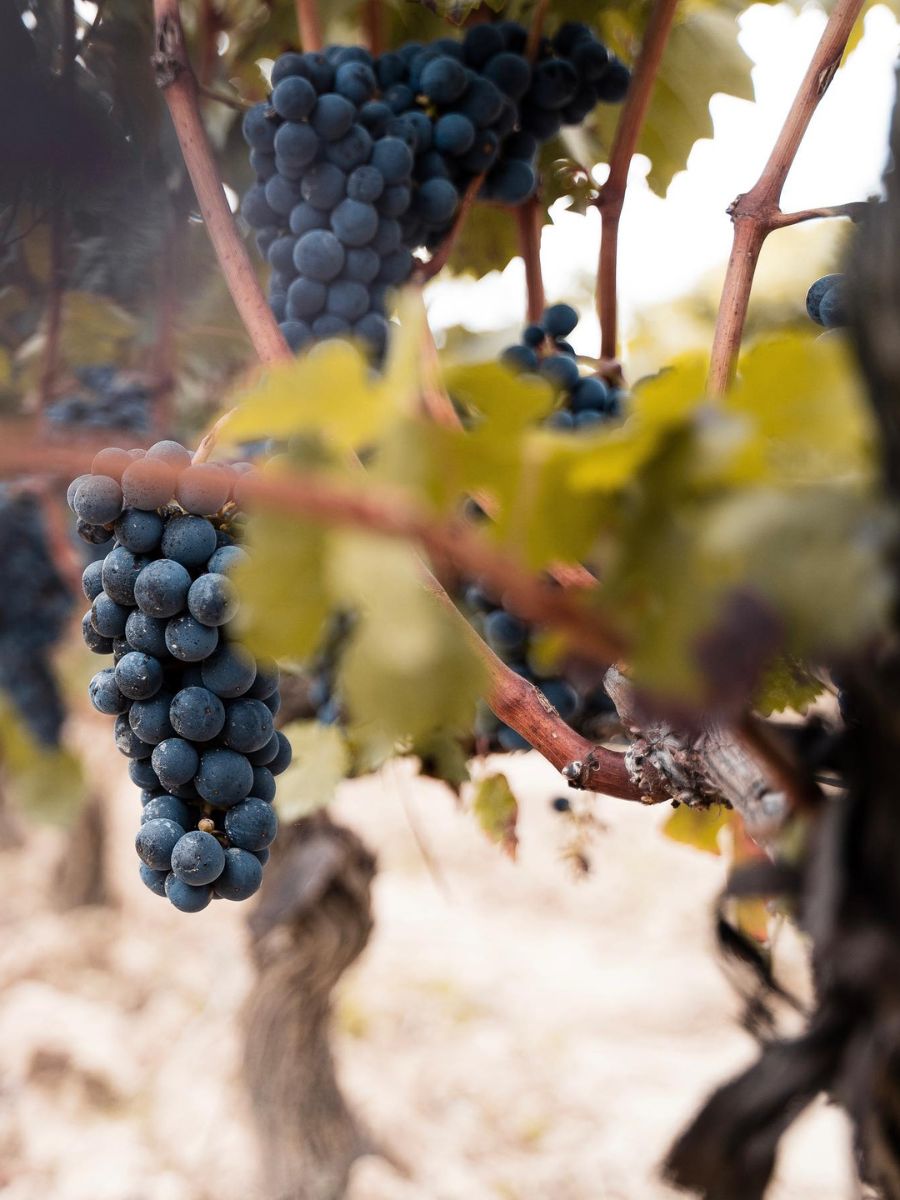
Old vines are the rule, not the exception. Many of the vineyards behind these wines were planted between the 1900s and the 1960s, UKAN's oldest plot dates to 1940, Cantarina's white vines to 1903–1910. Old vines generally mean lower yields and more concentrated, characterful fruit, and in this part of Spain that's simply how a lot of vineyards have always been farmed.
A genuine shift is happening in Rioja. Producers like UKAN are moving away from ageing-category labelling (Crianza, Reserva, Gran Reserva) toward single-vineyard bottlings: grapes from one named plot, vinified separately, in the way you'd expect from Burgundy rather than traditional Rioja.
Cariñena and Bierzo are working with almost no technology. Libre y Salvaje's four-level winery moves wine by gravity alone, with no pumps. Cantarina ferments with wild, indigenous yeasts rather than commercial ones. Both approaches trade convenience for character.
These are still genuinely small producers. Cantarina farms just 13 hectares and made only 1,000 bottles of their white. Libre y Salvaje's orange wine, Narancha, exists in a batch of twelve bottles. This isn't mass-market Spain. It's small, family-scale winemaking that happens to be very good value.
Old vines are the rule, not the exception. Many of the vineyards behind these wines were planted between the 1900s and the 1960s, UKAN's oldest plot dates to 1940, Cantarina's white vines to 1903–1910. Old vines generally mean lower yields and more concentrated, characterful fruit, and in this part of Spain that's simply how a lot of vineyards have always been farmed.
A genuine shift is happening in Rioja. Producers like UKAN are moving away from ageing-category labelling (Crianza, Reserva, Gran Reserva) toward single-vineyard bottlings: grapes from one named plot, vinified separately, in the way you'd expect from Burgundy rather than traditional Rioja.
Cariñena and Bierzo are working with almost no technology. Libre y Salvaje's four-level winery moves wine by gravity alone, with no pumps. Cantarina ferments with wild, indigenous yeasts rather than commercial ones. Both approaches trade convenience for character.
These are still genuinely small producers. Cantarina farms just 13 hectares and made only 1,000 bottles of their white. Libre y Salvaje's orange wine, Narancha, exists in a batch of twelve bottles. This isn't mass-market Spain. It's small, family-scale winemaking that happens to be very good value.

Please confirm that you are over 18 to enter
By entering this site you are agreeing to the Terms of Use and Privacy Policy.