





South American wines have a rich history dating back to the 16th century, when Spanish colonisers first brought vines to the continent. Over the centuries, viticulture has evolved dramatically, and today South America is a major force in the global wine industry. The region is celebrated for its diverse climates, dramatic high-altitude vineyards, and distinctive grape varieties that produce both white and red wines with bold flavours and impressive quality.
Argentinian Wine
Argentina is the largest wine producer in South America and is best known for Malbec. Originally from France, this red grape variety found its perfect home in Argentina’s varied climates, where it produces deeply coloured wines packed with rich fruit flavours and smooth, velvety tannins.
Key Wine Regions
Mendoza: The heart of Argentina’s wine industry, Mendoza produces more than 70% of the country’s wine. Its high-altitude vineyards, warm sunny days, and cool mountain nights create ideal conditions for Malbec, as well as Cabernet Sauvignon, Syrah, and Torrontés.
Salta: Home to some of the highest vineyards in the world, Salta is known for producing intensely aromatic wines. It is particularly famous for Torrontés, a fragrant white grape that is uniquely Argentine and responsible for some of the country’s most expressive white wines.
Patagonia: This cooler southern region is gaining recognition for its elegant, refined wines. Pinot Noir, Chardonnay, and Merlot thrive here, offering a fresher, lighter contrast to the fuller-bodied wines of Mendoza.
What Are Criolla Grapes?
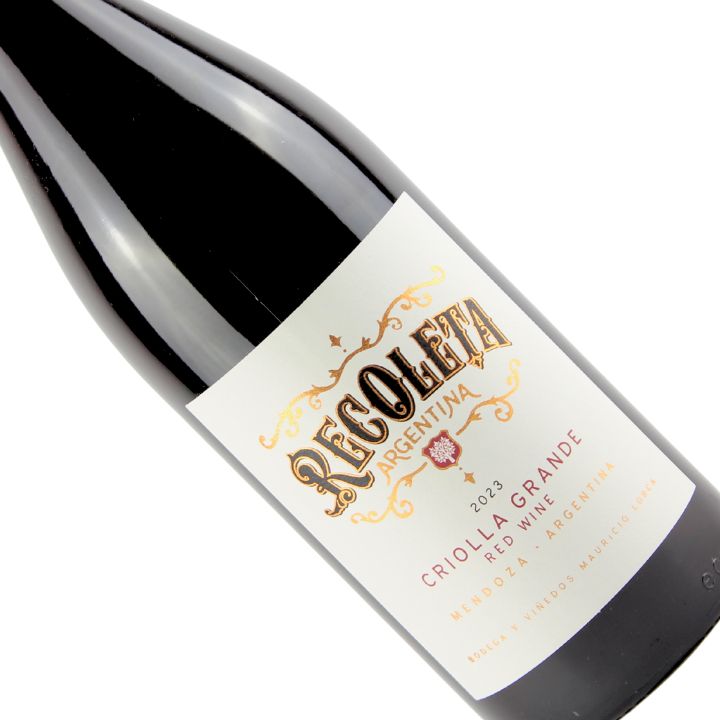
Criolla grape varieties have deep roots in Argentina, dating back to the 16th century when Spanish settlers first introduced vines to the region. Grapes such as Criolla Grande and Criolla Chica (also known as País or Mission) became the backbone of early Argentinian winemaking, producing light, rustic wines that were mostly enjoyed locally.
As international varieties like Malbec rose to prominence, many of these traditional grapes were gradually overlooked. In recent years, however, a new generation of winemakers has rediscovered their potential.
Today, Criolla grapes are experiencing a revival. Producers are crafting fresh, vibrant wines that celebrate Argentina’s winemaking heritage while offering a lighter, more approachable style. These wines often show bright acidity, lower alcohol, and distinctive regional character, making them an exciting and increasingly important part of Argentina’s diverse wine landscape.
Chilean Wine
Chile’s wine industry is known for its remarkable diversity, producing everything from crisp, refreshing white wines to powerful, structured reds. The country’s geography plays a key role: vineyards stretch between the Andes Mountains and the cooling influence of the Pacific Ocean, creating a wide range of microclimates that are ideal for growing grapes.
Key Wine Regions
Maipo Valley: Often referred to as the “Bordeaux of South America”, Maipo is renowned for high-quality Cabernet Sauvignon. Wines from this region are typically balanced and structured, with classic blackcurrant and dark fruit flavours.
Casablanca Valley: Located close to the coast, Casablanca is a cool-climate region famous for its vibrant white wines. Sauvignon Blanc and Chardonnay thrive here, alongside elegant Pinot Noir, all known for their bright acidity and fresh fruit character.
Colchagua Valley: A warmer inland region, Colchagua specialises in bold, expressive reds. Carmenère – widely considered Chile’s signature grape – performs particularly well here, alongside Syrah and Malbec, producing rich wines with ripe fruit and spicy complexity.
Together, Argentina and Chile have secured their place on the world wine stage. From powerful reds to crisp, refreshing whites, South American wines offer an exciting range of styles and flavours to explore.
Explore our collection of exceptional South American wines and discover the vibrant character of this dynamic wine region.




Leave a comment (all fields required)