£81.50


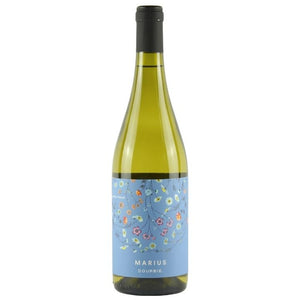
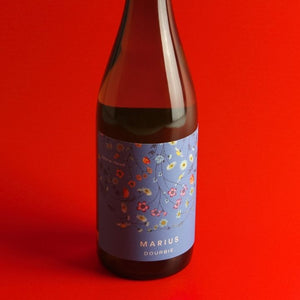
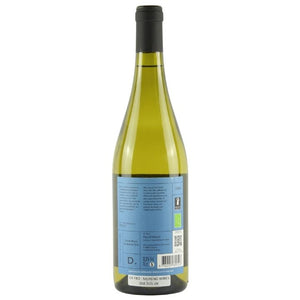
Terret Blanc - a near-extinct Languedoc grape - with Grenache Gris, from an estate in the Hérault that has been standing since 1781.
In the glass you notice the minerality first, then white flowers, which is an unusual way for a white to introduce itself. It tells you this is not a grape you have met often before. The colour is pale yellow with silver in it. The palate is crisp and direct with apricot, passionfruit and citrus, and then the two halves of the blend show their hands - a salty snap from the Terret, a stony weight from the Grenache Gris - holding each other in place. The finish tastes faintly of sea air and carries a pleasant bitter twist that stops it going soft. Serve it cold, around 10°C, and give it a minute in the glass.
Top food pairings:
"This is one for those who like to try new things, but also let me say that the pleasure from this wine is immediate. Beautiful white blossom and stone fruit with a little power and richness. Really fun and full of life. Terret is one of those indigenous grapes La Dourbie are working to keep alive and they’re doing a great job of it."
Domaine de la Dourbie takes its name from the small river running through the vineyard into the Hérault. The estate was created in 1781 and bought by the Serin family in 2003, who modernised it and converted to organic in 2009. Around 34 hectares across three terroirs - clay-limestone and rolled pebbles around the house, twelve hectares up at 300 to 350 metres in the Rouveyrolles valley, and 1.8 hectares of black basaltic tuff on the slopes of an extinct volcano at Aspiran. There are beehives beside the vines and a century-old ornamental park on the property.
The use of the Terret grape really interesting here. In 1958 there were about 15,000 hectares of it in France across three mutations, blanc gris and noir; now all three colours together come to under a thousand hectares, and Terret Gris is down to roughly forty. It buds late so it dodges the frost, ripens late so it keeps its acidity, and copes with drought - a grape dropped for being unfashionable turns out to be exactly what a hotter Languedoc needs. La Dourbie are among the handful keeping it going.
There is no other Languedoc white wine on our shelves made mostly from Terret, and there very nearly is not one anywhere. Organic, salty, properly individual, and the answer when someone asks for something they have genuinely never tried.
Please confirm that you are over 18 to enter
By entering this site you are agreeing to the Terms of Use and Privacy Policy.