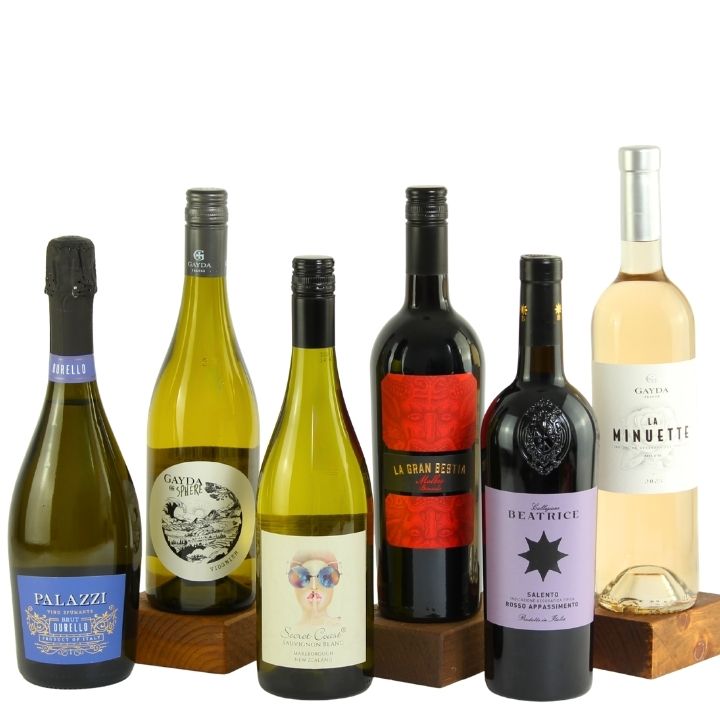
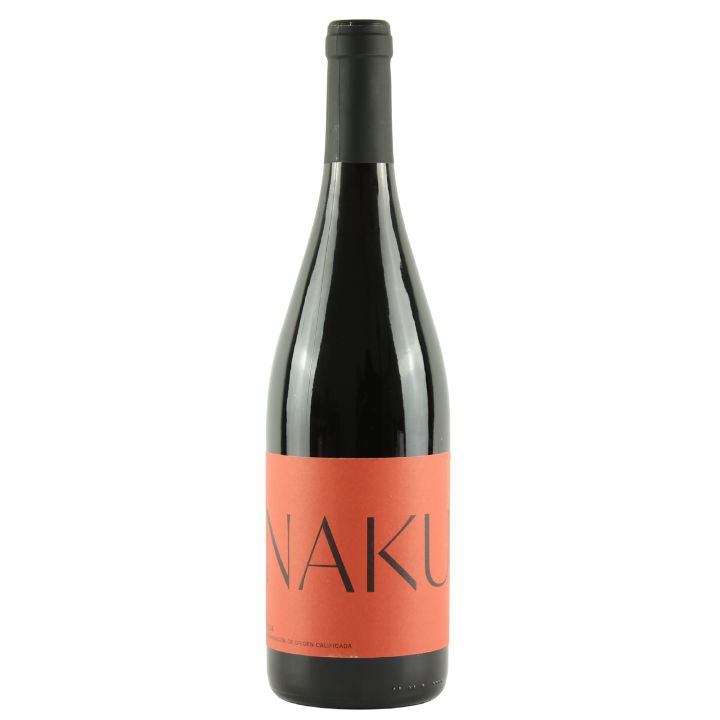
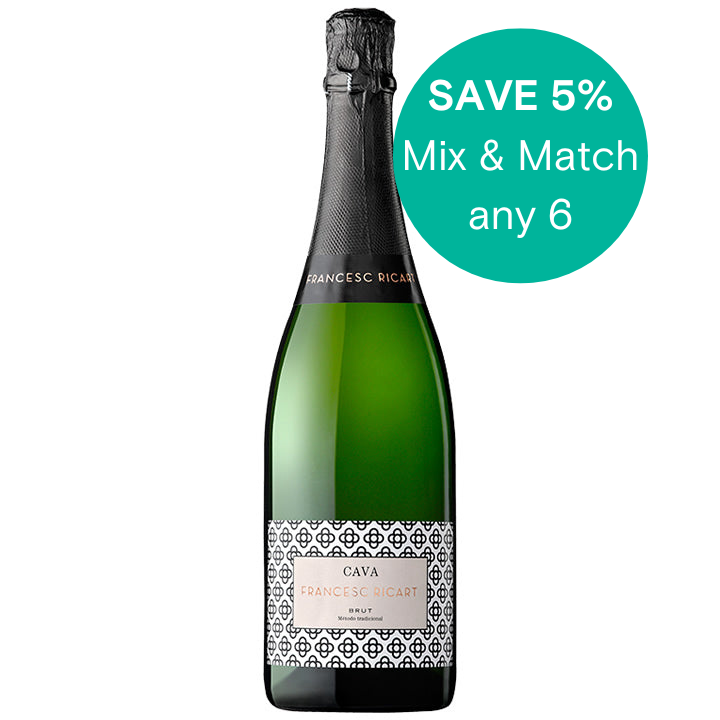
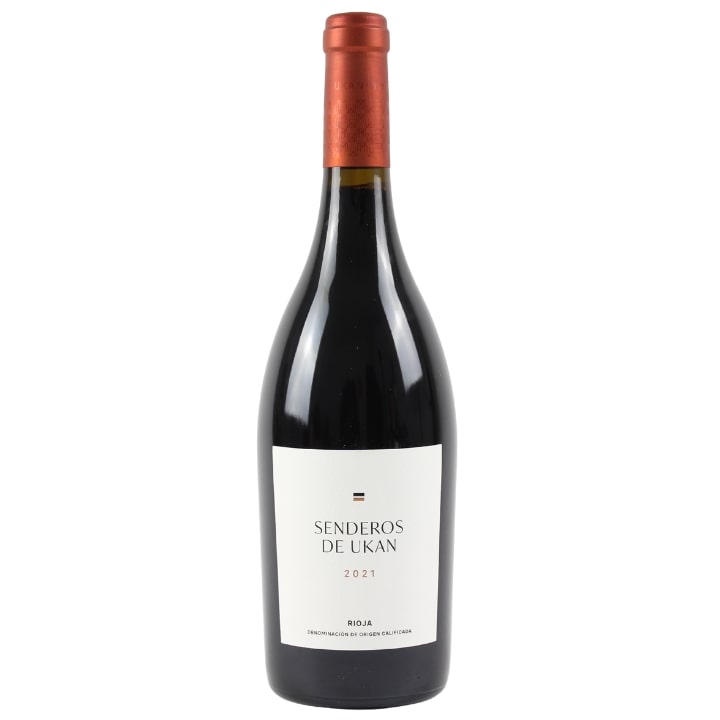
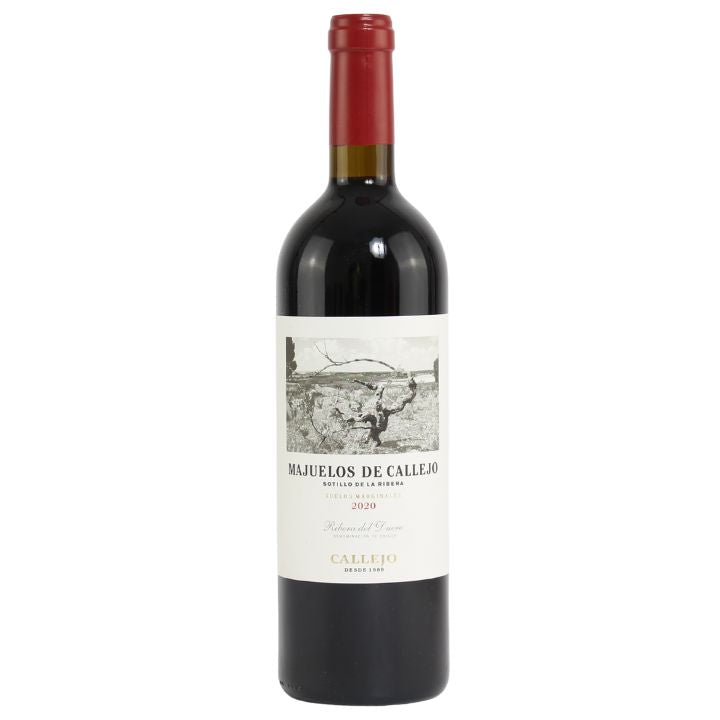
£76.00
Spain has more land under vine than any other country, and more grape varieties in commercial use than most people ever get round to trying. It also has a classification system that runs across the whole country rather than region by region, so once you understand it, it applies whether you're looking at a Rioja, a Ribera del Duero or a Rueda.
What ties it together is a strong tradition of oak ageing and a habit of holding wines back until they're ready to drink, rather than selling them straight off the back of the harvest. That's slowly changing as more producers make fresher, less oaked styles, but the classic approach still shapes how Spanish wine is labelled and sold.
Spain uses a national quality system, and most bottles you'll see fall into one of these:
Vino de la Tierra - Regional wine, one step up from table wine. Fewer rules, more room for producers to experiment.
DO (Denominación de Origen) - The standard quality tier, covering most named wine regions in Spain.
DOCa (Denominación de Origen Calificada) - The top tier, reserved for regions with a long track record of quality. Only Rioja and Priorat currently hold this status.
Layered on top of the region is an ageing classification, used most in Rioja and Ribera del Duero but understood across the country:
Joven - Little or no oak ageing. Fresh, fruit-forward, meant to be drunk young.
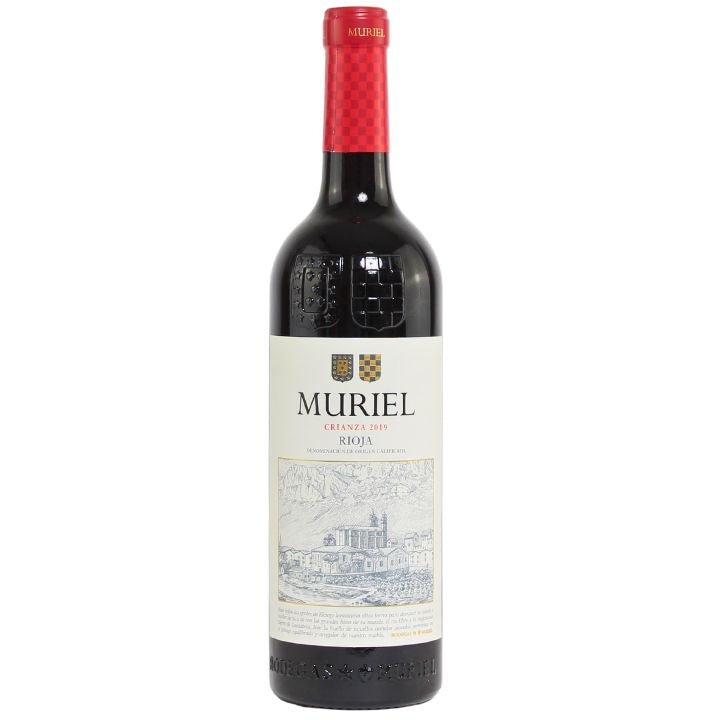
Crianza - At least two years total ageing, with a minimum spell in oak barrel (six months nationally, though Rioja and some other regions require a full year). Balanced and good value.
Reserva - Longer ageing again, typically around three years total with at least one in oak. More complexity, still approachable.
Gran Reserva - The longest ageing, only made in strong vintages. Rich and built to last.
Rioja - Spain's best-known region, built around Tempranillo and oak ageing. Read more in our Rioja collection.
Ribera del Duero - Also Tempranillo country, but at higher altitude with bigger temperature swings between day and night. That tends to give bigger, darker, more concentrated wines than Rioja, often blended with a little Cabernet Sauvignon, Merlot or Malbec rather than Rioja's usual Garnacha and Graciano.
Priorat - A small, steep region south-west of Barcelona known for intense, mineral-driven reds from old Garnacha and Cariñena vines grown on slate soil (llicorella).
Rueda - Spain's home for fresh, aromatic white wine, built on the Verdejo grape.
Rías Baixas - Coastal Galicia, best known for Albariño - crisp, saline whites that pair naturally with seafood.
Penedès - Just outside Barcelona, and the traditional home of Cava, Spain's sparkling wine made using the same method as Champagne.
Jerez (Sherry Country) - Down in Andalucía, home to Sherry - a fortified wine made in styles ranging from bone-dry Fino and Manzanilla through to rich, sweet Pedro Ximénez.
There's plenty more beyond these - Toro, Bierzo, Jumilla and Montsant among them - and we bring in wines from across the country as we find producers we rate.
Tempranillo - Spain's signature red grape. Cherry, plum and tobacco, and it takes to oak well without losing its shape.
Garnacha - Adds weight, warmth and red fruit. Works as a blending grape and on its own, especially in old-vine form from Priorat and Montsant.
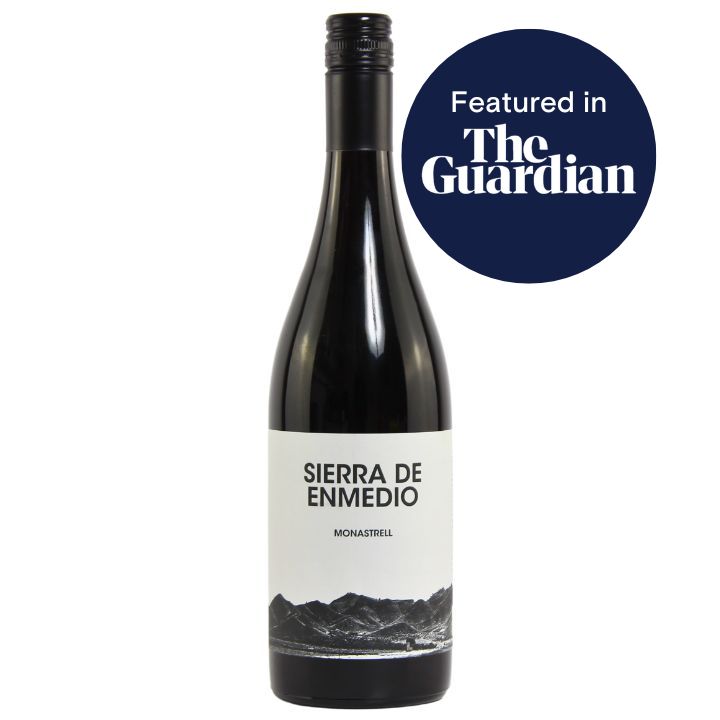
Monastrell - Grown mostly in the warmer south-east, giving deep colour and dark, brambly fruit.
Albariño - Galicia's white grape. Citrus, stone fruit and a saline edge from its coastal vineyards.
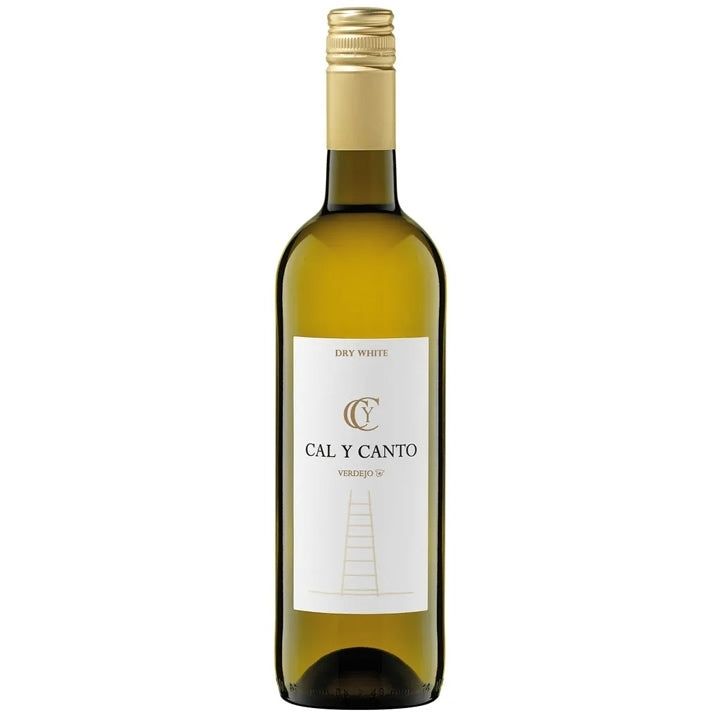
Verdejo - Rueda's grape. Herbal, grapefruit-led whites with good freshness.
Palomino - The workhorse grape of Sherry production, neutral on its own but transformed by the ageing process.
Red Wine - The backbone of Spanish wine, led by Tempranillo and Garnacha, with plenty of regional variation in weight and oak treatment.
White Wine - Ranges from the crisp, coastal style of Albariño to the herbal freshness of Verdejo and the oak-aged whites still made in parts of Rioja.
Rosé Wine - Mostly Garnacha-based, generally fuller and fruitier than a lot of French rosé.
Sparkling Wine - Cava, made using the traditional method, is Spain's main contribution here and is usually much better value than Champagne.
Fortified Wine - Sherry covers a wide range of styles, from light and dry to dark and sweet, and doesn't get anywhere near the attention it deserves.
We've tasted through a lot of bottles to build this collection, from everyday drinking to wines worth putting away for a while. Whether you already know your Ribera from your Rioja or you're just starting to explore Spanish wine, there's something here at most price points.
Need help choosing? Our wine advisors can point you toward the right bottle. We make buying Spanish wine online straightforward, with delivery across the UK.
The scale and variety, mostly. Spain has more vineyard area than anywhere else, and its classification system (DO, DOCa, and the Joven/Crianza/Reserva/Gran Reserva ageing tiers) gives you a consistent way to read a label, whichever region it's from.
A Crianza from Rioja or Ribera del Duero is a good entry point - enough oak to show what the style is about without a big price tag. From there, branch out into Rueda or Rías Baixas for whites, or Priorat if you want something bigger and more intense.
Both are Tempranillo-led, but Ribera del Duero sits at higher altitude with more extreme temperature swings, which tends to produce bigger, darker, more concentrated wines, often with a little Cabernet Sauvignon, Merlot or Malbec in the blend. Rioja is generally softer and more red-fruited, traditionally blended with Garnacha and Graciano.
Different grapes, different climate, same production method. Cava won't taste identical to Champagne, but it's made properly and it's usually a lot cheaper - genuinely good value if you like the style.
Red Tempranillo and Garnacha love lamb, chorizo and aged manchego. Albariño and Verdejo are naturals with seafood and tapas. Sherry is criminally underused with food generally - try a dry Fino or Manzanilla alongside olives, almonds or cured ham.
Cherry, plum and a touch of tobacco or leather. Young versions are bright and juicy; with oak age you get more vanilla, spice and dried fruit.
If you like the aged style - dried fruit, tobacco, savoury complexity - a Reserva or Gran Reserva is worth trying at least once. For everyday drinking, a good Crianza usually gives you better value.
Store bottles on their side, somewhere cool (10-15°C) and dark, away from temperature swings. Once opened, recork and refrigerate, and drink within a few days - Sherry included.
The vineyard is where the grapes are grown; the bodega is where the wine is made and aged. Many Spanish producers own both, though some buy in fruit from growers they work with closely.
Please confirm that you are over 18 to enter
By entering this site you are agreeing to the Terms of Use and Privacy Policy.